Explore by topic

Wastewater in New Cairo: From Waste to Resource
Last updated: Jul 27, 2023
Summary
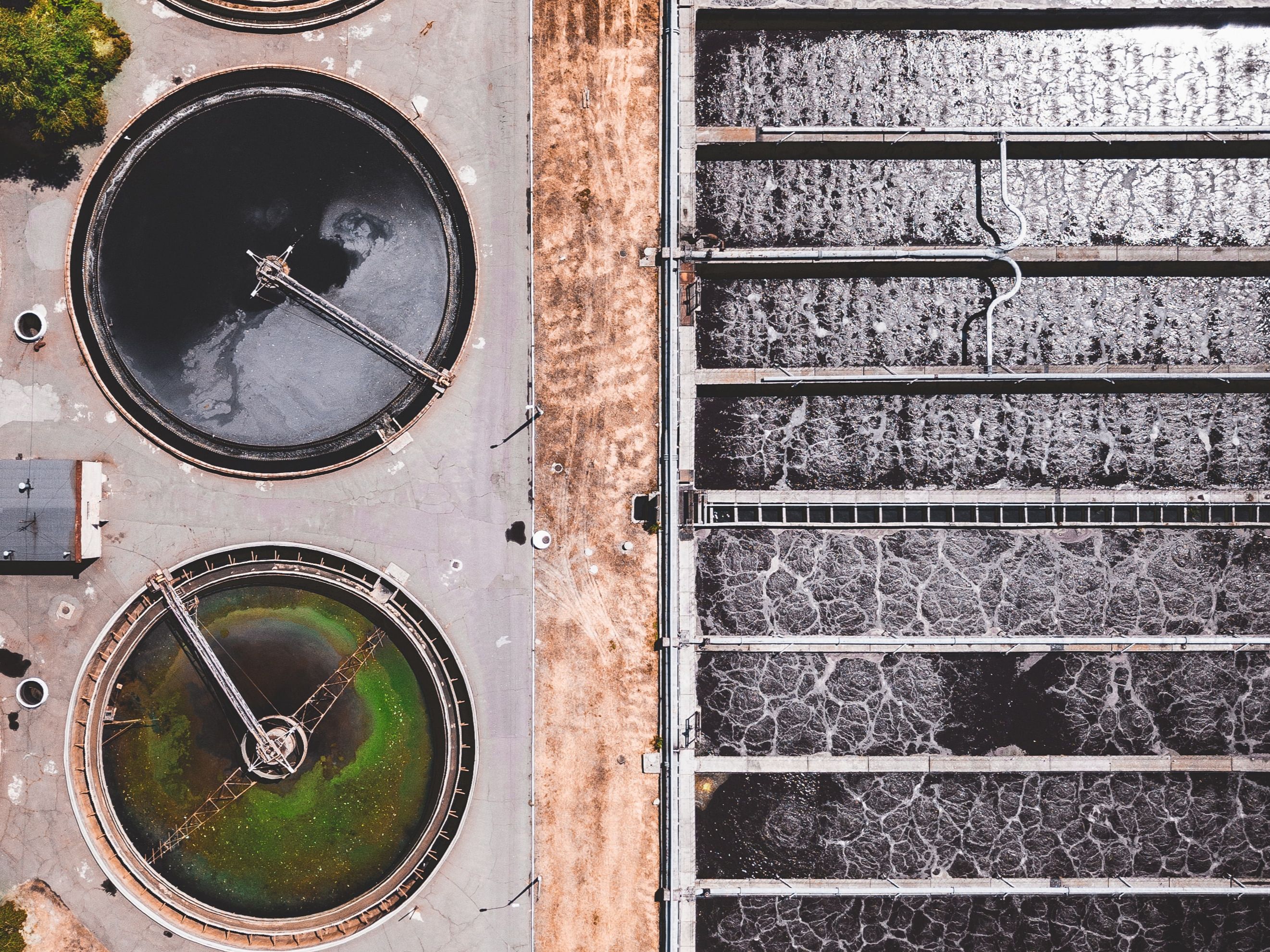
A Cairo Wastewater Treatment Plant (WWTP) was constructed through a public-private partnership (PPP). The Government of Egypt - specifically the municipality of New Cairo is implementing a wastewater treatment plant to reuse the precious natural resource. Once treated, instead of draining into ecosystems the water can be reused for agriculture and the compost sold to various industries in the region to be used as fuel. This results into a small extra revenue stream for the consortium, it avoids considerable sludge transport costs and it reduces the volume of polluted water discharged into the river.
Problem
Egypt is becoming increasingly water-scarce with much of its land being desert and a growing urban population creating pressure on natural resources. The current infrastructure doesn't promote the efficient use of these resources across large areas and populations which means that wastewater is discharged directly into ecosystems.
Solution
The WWTP can process up to 250,000 cubic meters of wastewater per day, serving the satellite cities of New Cairo, Madinaty, and El Mostakbal. The treated water is directed to agricultural operations, reducing the demand for freshwater for agriculture and allowing that supply to be used by the city. The compost from the wastewater sludge is currently being sold to the cement industry in the region to be used as fuel, reducing greenhouse gas emissions.
Outcome
The project generates small revenue streams through the sale of compost to the cement industry and fertilizer to farms. It reduces the amount of untreated wastewater being discharged into the ecosystem - representing a significant health risk to the 3 million people that live in the area around New Cairo
Location
Industries
Involved organisation(s)
Key elements of the circular economy
Attachments and links
Contributors
Owner
Contributor
Contributor
Date added: Dec 7, 2021
Last updated: Jul 27, 2023
More from the contributors








Add your content
Strengthen the circular economy knowledge base by adding a report, case study, publication, or other resource to our platform!