Explore by topic

São José dos Campos’ Alluvial Plain Protected Area: a case of urban forests conservation
Last updated: Jan 23, 2024
Summary
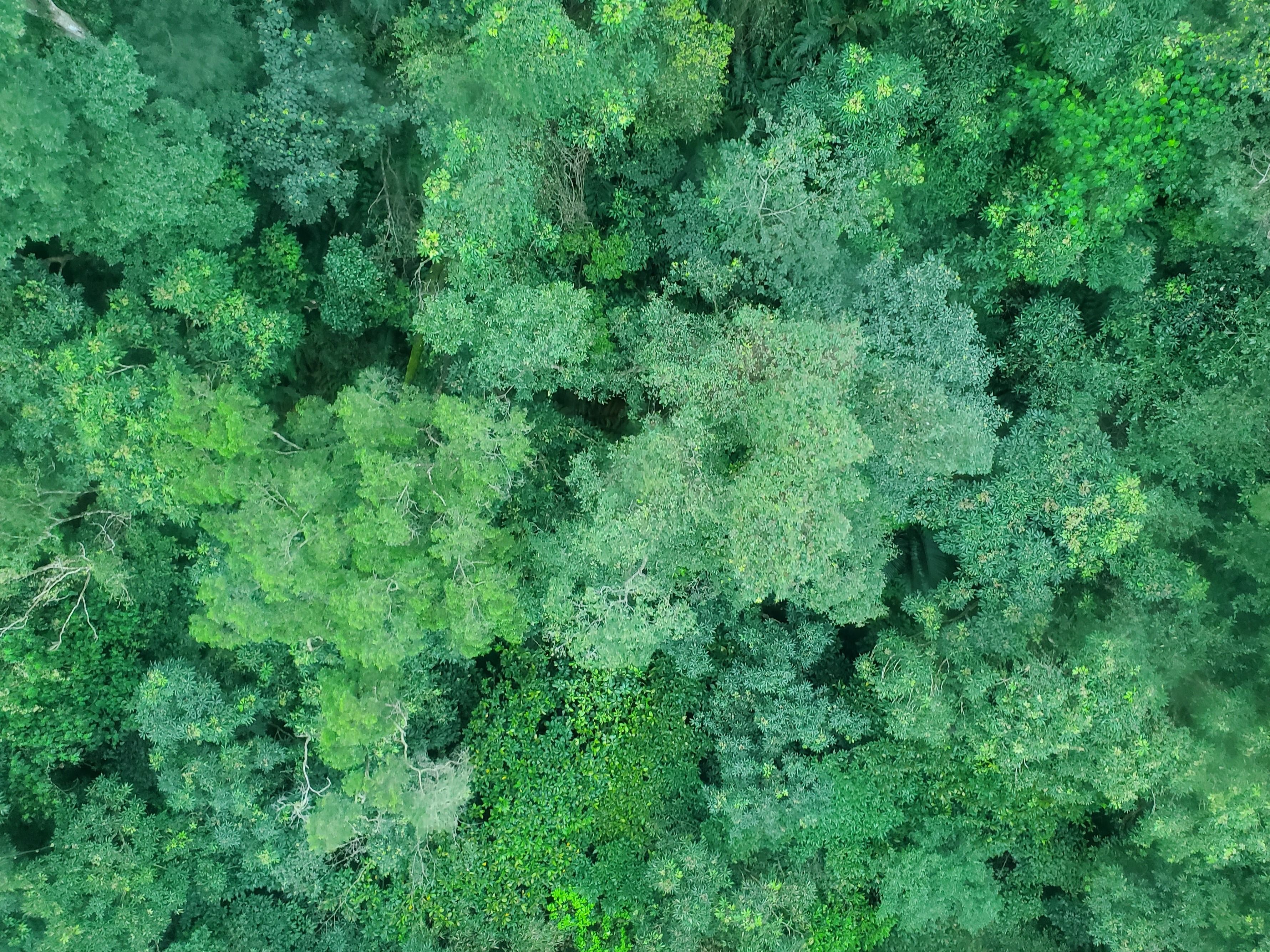
The city of São José dos Campos is home to the first Brazilian municipal Environmental Protection Area (EPA), the Banhado EPA, established in 1985. This EPA offers protection to the floodplains of the Paraíba do Sul river, which is a main water source for São José dos Campos. This protection has had direct positive impacts on water, soil, and air quality and on flood mitigation; and indirect positive impacts on water provision, as well as food and energy production. The EPA is a strong example of participatory management between the environmental movement and city representatives.
Problem
São José dos Campos is surrounded by floodplains, which puts the city at risk of flooding and landslides, particularly during the spring and summer rainy season. However, floodplains play a crucial ecological role in balancing the hydrological cycle, filtering pollution, and purifying river waters.
Solution
The creation of the Banhado EPA was a result of social mobilization of the environmental movement that aligned with representatives of the city in order to protect the area. The awareness that these actors had of the ecological importance of floodplains was essential for arguing for the protection of the area and to challenge the ongoing real estate pressures. The city had a central role in this initiative by reinforcing it as a municipal law and for providing resources from environmental compensation funds of private companies to finance the implementation of this EPA.
The Banhado EPA legislation prohibits urban sprawl, industrial activity, mining, activities that promote erosion, or riparian vegetation removal.
Outcome
Between 1995 to 2015, the water bodies within the Banhado EPA more than doubled in area from 63 hectares to 141 hectares, dramatically improving the potential of the area as a water provision site. Forests areas also increased from 236 hectares in 1995 to 396 hectares in 2015. The increased forest area can act as a soil quality enhancer, as it reduces erosion, protects soil biodiversity, and reestablishes ecosystemic function.
Location
Industries
Involved organisation(s)
Key elements of the circular economy
Attachments and links
Contributors
Owner
Contributor
Contributor
Date added: Dec 15, 2021
Last updated: Jan 23, 2024
More from the contributors









Add your content
Strengthen the circular economy knowledge base by adding a report, case study, publication, or other resource to our platform!