Explore by topic

Closing the Loop: Innovation for Increased Efficiency in the Food-Water-Energy Nexus in India
Last updated: Jan 11, 2024
Summary
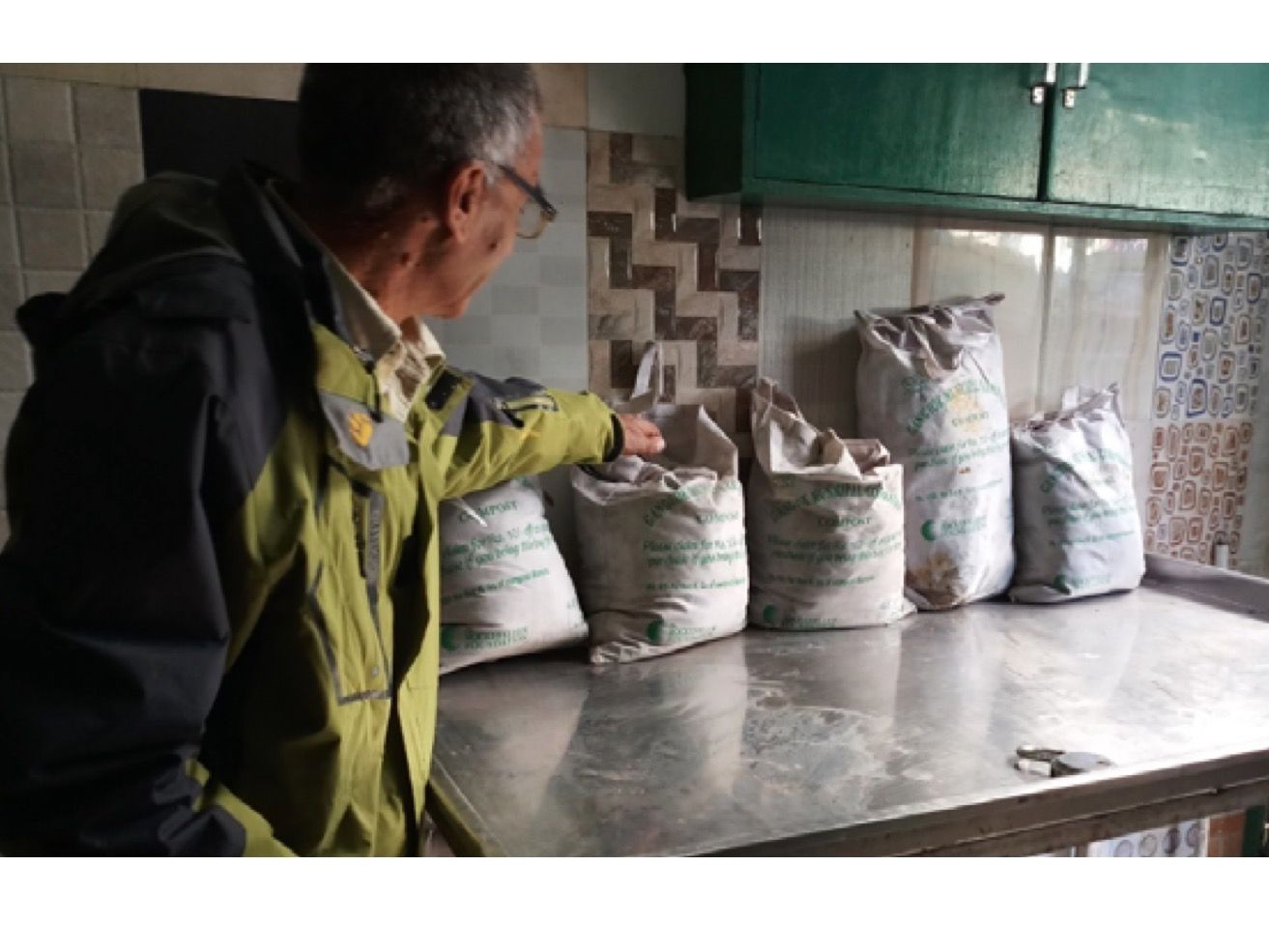
In Gangtok, the Food-Water-Energy Nexus (FWEN) innovation consists of a bio-composting plant piloted by the the municipality of Gangtok in 2018 which was designed to enable compliance with Solid Waste Management Rules.
Problem
Gangtok is a major hill station and the main base for tourism in Sikkim, with the hospitality industry being the biggest contributor to the city’s economy. Faced with rapid urbanization and the instability that lies in the wake of climate change, the city is looking into innovative solutions to meet the increasing demand for basic services such as water supply, energy, transportation and waste management.
Solution
The municipality of Gangtok overcame this issue by initiating awareness generation activities and training/interactions with the primary stakeholders. The lesson learnt for the municipality of Gangtok from this initiative is the importance of establishing a properly targeted, large-scale awareness program before proceeding with the technical installation. This improved efficacy and streamline the technologies being established in the city.
Outcome
Since the implementation of the initiative in 2018, the municipality has observed a decrease in the pressure on their waste transportation system and the jhoras (small drainage systems) in the vicinity are not being saturated with waste. This project is also exemplary in successfully closing the food waste loop and reducing pressure on the city’s solid waste system. This in turn reduces fuel costs and limits the waste which enters jhoras.
Location
Industries
Key elements of the circular economy
Attachments and links
Contributors
Owner
Contributor
Contributor
Date added: Dec 15, 2021
Last updated: Jan 11, 2024
More from the contributors





Add your content
Strengthen the circular economy knowledge base by adding a report, case study, publication, or other resource to our platform!