Explore by topic

Enabling a municipal waste model that motivates citizens in sorting waste
Last updated: Aug 18, 2022
Summary
After being fined by the EU for not meeting the expectations about the reduction of landfill waste, the muncipality of Zagreb developed a new waste collection system to incentivise citizens to sort their waste.
Problem
Zagreb used to be in the last place among all 28 European Union capitals in terms of waste separation and recycling.
Solution
As part of the revision of the European Waste Framework Directive legislation in 2018, the European Union updated its targets for recycling municipal waste and reducing the amount of waste in landfills. If in 2018, the municipal waste recycling target was 44%, it must be limited to 65%, as well as a maximum of 10% in landfill by 2035.
In 2020, the local authority of Zagreb thus paid EUR 1.2 million in penalties to the EU for failing to meet the obligation to reduce the amount of waste that goes to landfills.
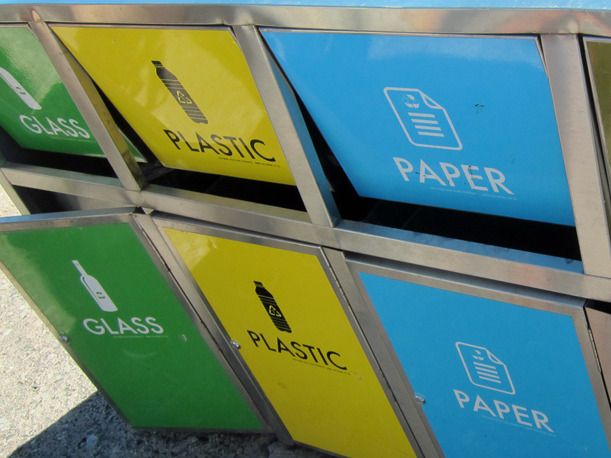
To break from the current system which did not motivate citizens to separate waste, the municipality developed a new waste collection system. People are now charged according to their quantity of waste they generate and not based on a fixed garbage tax rate based on the size of homes. Households dispose of their mixed, unselected waste in “official bags”, which they purchase at a price that depends on the quantity of waste to be disposed of (53 euro cents for a 20-liter bag). The municipality then collects each bag and adequately disposes of it. On top of this, the municipality also collects a fixed fee per month to cover for the disposal of sorted waste (paper, plastics, metal, glass and bio-waste), generating revenue from the reselling of raw material.
Outcome
This economic incentive has already been implemented in Swiss and Belgian cities, individualizing service payments, hence stimulating citizens to set aside more waste for recycling so to avoid the variable cost relative to the purchasing of single mixed waste bags.
Location
Industries
Involved organisation(s)
Key elements of the circular economy
Attachments and links
Contributors
Owner
Contributor
Date added: Mar 2, 2022
Last updated: Aug 18, 2022
More from the contributors







Add your content
Strengthen the circular economy knowledge base by adding a report, case study, publication, or other resource to our platform!