Explore by topic

Stockholm’s integrated freight strategy
Last updated: Apr 6, 2022
Summary
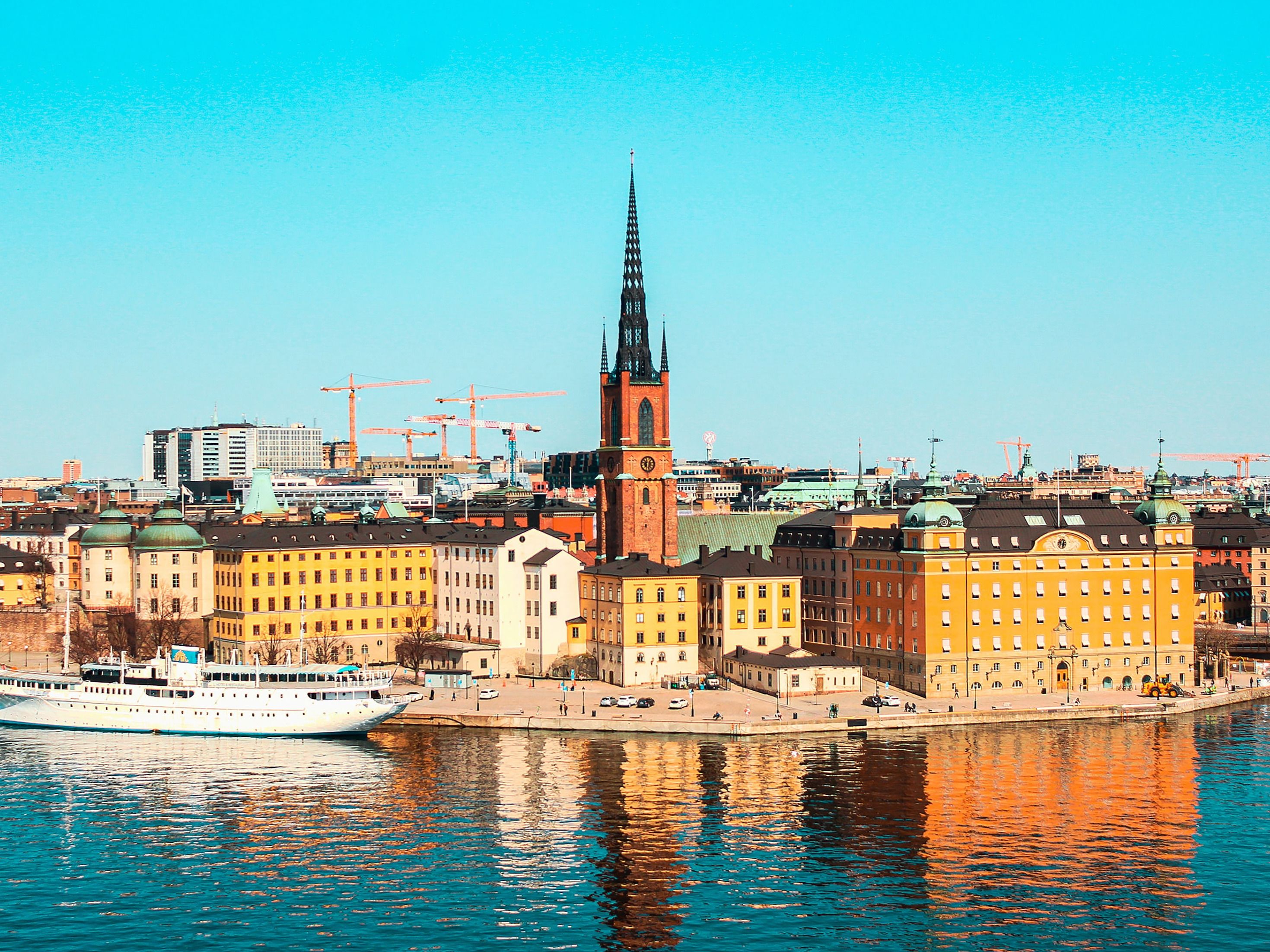
To face the numerous challenges that urban transportation brings, the city of Stockholm has developed a freight strategy to rethink its mobility plan, mainly resulting in the diversification of its ways of transportation.
Problem
Urban form and spatial structure are strongly related to resource use. Indeed, transportation requires a lot of energy use. In addition, cars play a strong role in CO2 emissions, air pollution, and on other kinds of social aspects, like social cohesiveness and quality of life.
Solution
Stockholm has developed a freight strategy as one of six thematic plans that together constitute the city’s mobility strategy. It includes improving possibilities for off-peak transport, increasing the use of waterways, increasing consolidation of logistics solutions, and continuously building an understanding of how to improve the system through cross sector dialogue and data gathering.
Outcome
The plan is expected to have four objectives: to enable more reliable delivery times, to facilitate the effective use of commercial freight vehicles, to promote the use of clean vehicles and to advance the freight delivery system by developing collaborations between the city and other stakeholders.
Location
Industries
Key elements of the circular economy
Attachments and links
Contributors
Owner
Date added: Mar 16, 2022
Last updated: Apr 6, 2022
More from the contributors



Add your content
Strengthen the circular economy knowledge base by adding a report, case study, publication, or other resource to our platform!