Explore by topic

Seattle – From a gasification industrial compound to a public park
Last updated: Jan 23, 2024
Summary
Turning abandoned commercial or industrial buildings into public spaces can contribute to reduce the environmental impact of construction and demolition activities, while bringing valuable social benefits.
Problem
Construction and demolition waste are one of the largest components of landfill (the latter rising to 40% in Palo Alto, USA). On a global scale, construction and demolition debris comprises about 19 000 tons of landfill waste each year.
Solution
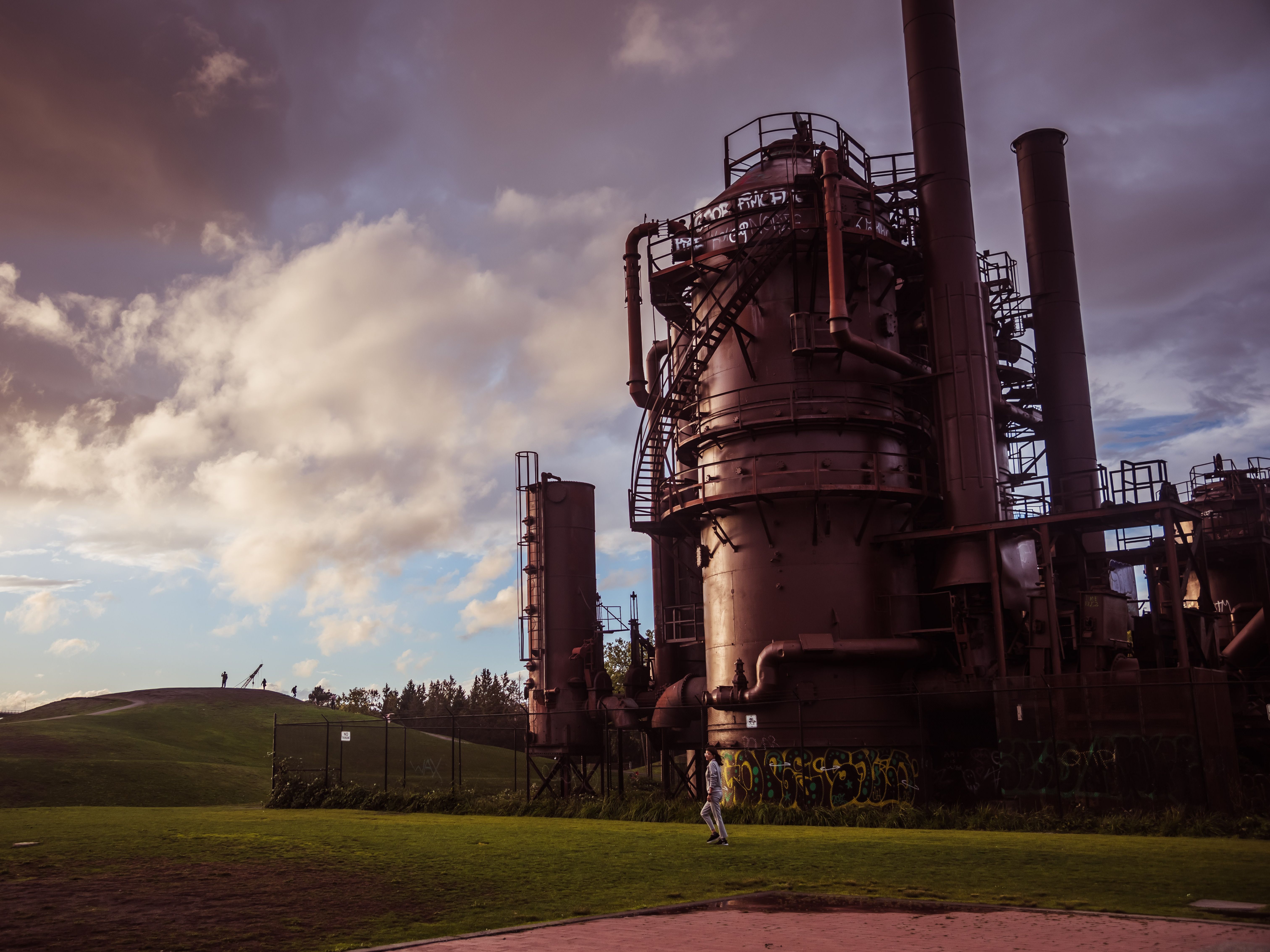
In Seattle, the current Gas Works Park used to be, as its name points out, a gas plant from 1906 to 1956. In 1962, the City of Seattle bought the plant, hired a landscape architect to design and convert the land into a public park in 1975. The remaining old plant, now considered as sculptures. On the other hand, some of the ruins have been repurposed, such as the plant’s former exhauster-compressor building, in which the current children’s play barn has been built inside.
Outcome
Instead of considering traditional demolition as the go-to, repurposing buildings can be greatly interesting, both to reduce the strong environmental impact, while at the same time benefiting from the environmental and social hidden value.
Location
Industries
Involved organisation(s)
Key elements of the circular economy
Attachments and links
Contributors
Owner
Date added: Mar 16, 2022
Last updated: Jan 23, 2024
More from the contributors


Add your content
Strengthen the circular economy knowledge base by adding a report, case study, publication, or other resource to our platform!