Explore by topic

RubyMoon: Making high value active wear from ocean plastic waste
Last updated: Jan 17, 2025
Summary
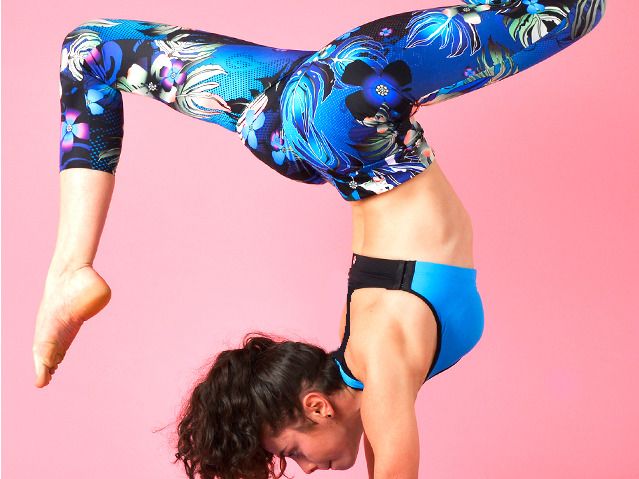
RubyMoon is a small online brand for swimwear & fitness clothing based in Brighton, UK that only uses recycled plastics - mainly recovered from the sea - in their clothing production. Garments are produced in the UK and Spain, and profits of the company support female entrepreneurs in developing countries through micro-finance and investment programmes. Jo-Anne Godden founded RubyMoon in 2011. Items are shipped internationally.
Problem
RubyMoon addresses a number of problems:
So-called “ghost nets” pollute the oceans on a big scale. These are drift nets which are left behind accidentally by fishermen in the ocean. They are high quality / expensive nets and unfortunately, these drift nets keep on fishing – they will drop to the bottom of the ocean and collect and kill marine life in the process. In addition, they start leaking microfibres into the water.
New clothes are generally produced from virgin materials and the production itself is generally leaving an immense footprint on the environment and dependent communities. Fashion production accounts for carbon emissions, dries up water sources, and pollutes rivers and streams. Working conditions in typical garment production countries are poor, with 12 hour shifts and very low pay.
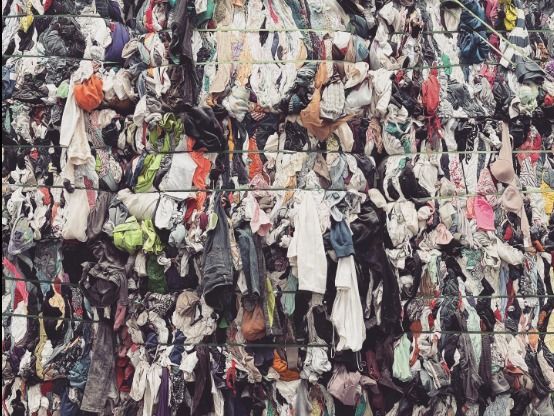
Fast fashion particularly has a huge negative impact on the environment. According to the Ellen MacArthur Foundation, many clothing items are only worn 7-10 times before being thrown away. As a result, the equivalent of a rubbish truck load of clothes is being burnt or buried in landfill every second. With this endless thirst for new clothing, clothing production has grown very quickly. In 2000, 50 billion items of clothes were produced. In 2015 this number had doubled to 100 billion, and the trend is continuing. (Reference: Catherine Weetman in “A Circular Economy Handbook”)
Solution
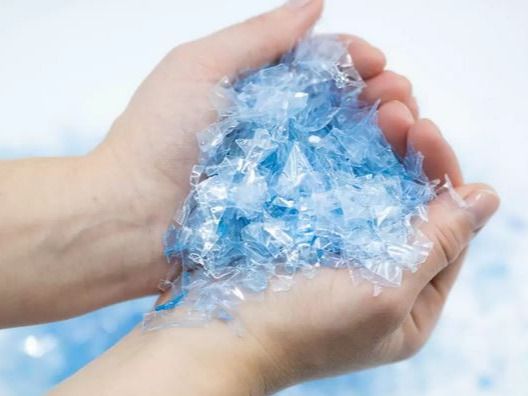
RubyMoon only uses recycled materials such as polyamide yarn made from fishing nets in their production. For this RubyMoon is a partner of Healthy Seas. This organisation works with diver and fishermen groups to retrieve left behind fishing nets and bring them to land, where those nets are being sent for reprocessing. Aquafil, a company that works with Healthy Seas, regenerates the recovered nets – together with other nylon waste – into brand new ECONYL® yarn for the fashion and interior industries. Nets are being washed, broken down and formed into pellets before those pellets are extruded back into a fibre. The fabric is knitted, dyed and printed locally in Italy. RubyMoon was the first swim/activewear company in the UK to use this kind of fabric for their garments.
In comparison with standard swimsuit production processes in the Far East, RubyMoon only produces in the UK and Spain leading to a 42% reduction in carbon emission per swimsuit as supply chains are substantially shortened. Through the proximity to production sites RubyMoon is able to check on working conditions of production workers. This level of control guarantees that workers are treated fairly, receive the living wage and are not being exploited.
Outcome
Besides using waste fishing nets in the production, RubyMoon utilises recycled materials such as carpets and other nylon waste in their production. Using these materials RubyMoon has designed a versatile, mix and match GymToSwim® collection. These durable well stitched garments keep up the principles of slow fashion. The fabric used is certified to be twice as strong as comparable fabrics on the market. Making it more durable to the exposure of chlorine, salt water and sunlight. Prices for RubyMoon Garments are high in comparison to an average swim wear garment but on the price per wear it is very compatible. RubyMoon items are meant to last and hence the cost of garments should be calculated as price per wear.
One hundred percent of the RubyMoon’s profit is reinvested in female entrepreneurs through microloans. Once repaid, RubyMoon can invest in other female entrepreneurs. Keeping the money in circulation to get as many female entrepreneurs started in their businesses as possible.
Location
Industries
Involved organisation(s)
Key elements of the circular economy
Attachments and links
Contributors
Owner
Contributor
Date added: Apr 9, 2022
Last updated: Jan 17, 2025
More from the contributors

Add your content
Strengthen the circular economy knowledge base by adding a report, case study, publication, or other resource to our platform!