Explore by topic

Introducing rainwater harvesting solutions in Singapore
Last updated: Apr 13, 2023
Summary
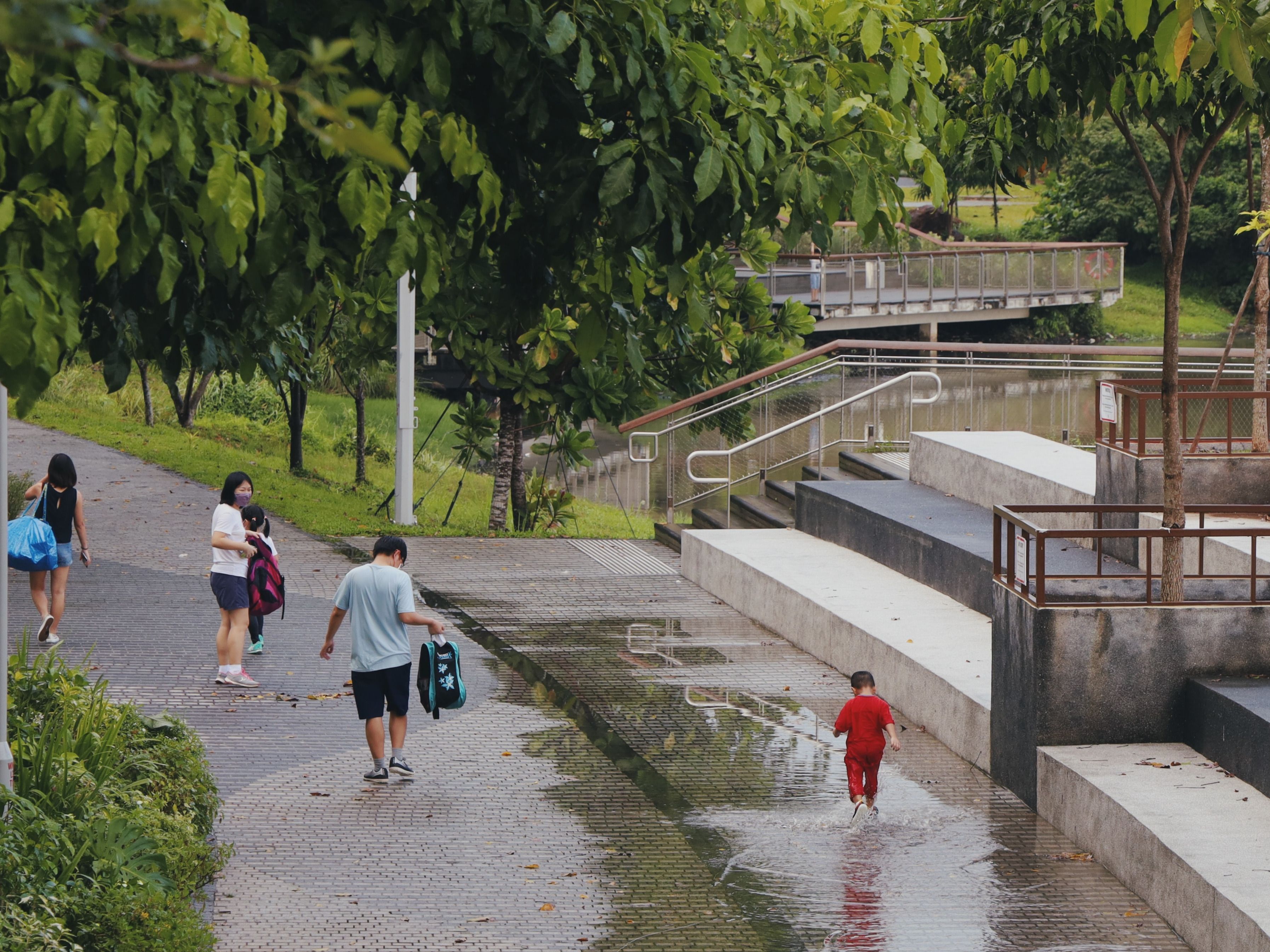
To challenge water scarcity and major other urban issues, rainwater harvesting and management (RWHM) offers a great number of opportunities. Several Asian countries and cities, such as Singapore, have started to implement it.
Problem
In cities, water scarcity and increased demand for water, are becoming growing issues, alongside climate change and rapid urbanisation. In this context, Singapore, a city-state, only offers limited water resources.
Solution
Harvesting rainwater is thus a natural extension of pre-existing strategies to reduce, reuse and replenish water sources in Singapore. As approximately 86% of Singapore’s population lives in high-rise buildings, rooftop water collection systems have been installed to maximize the use of rainwater and act as a catchment. The rainwater is collected in tanks and used for toilet flushing, helping to reduce water consumption, save on energy and reduce other costs within the buildings.
Integration across sectors and disciplines, and reworking city-wide master plans that promote policy alignment, are vital. Working with local communities and other stakeholders to ensure the knowledge and capacities are also key elements for a successful implementation
Outcome
Rainwater harvesting and management contribute in reducing water consumption and provide drinking water, mainly by alleviating stormwater runoff, and thus tackling to the growing issue of water scarcity.
Location
Industries
Involved organisation(s)
Key elements of the circular economy
Attachments and links
Contributors
Owner
Date added: Apr 12, 2022
Last updated: Apr 13, 2023
More from the contributors



Add your content
Strengthen the circular economy knowledge base by adding a report, case study, publication, or other resource to our platform!