Explore by topic

Humanure Kenya - Green sanitation and composting systems
Last updated: Jul 6, 2022
Summary
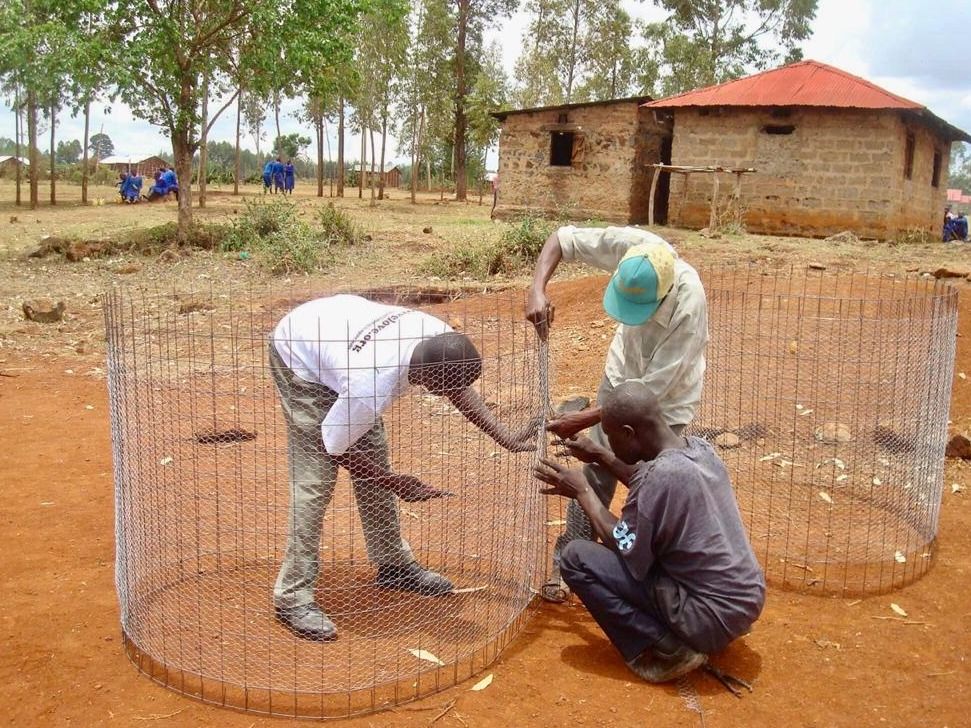
Humanure Kenya aims to improve sanitation in schools and low-income communities by installing its Humanure Compost Toilets that are developed to treat human wastes and turn them into agricultural fertilisers. This way, the company also helps farming by decomposing the waste from these toilets, and then use the product in farms to grow better crops.
Problem
Wastewater and faecal sludge can present great issues when dumped into the environment, for both ecological but also sanitation reasons. The spread of diseases and pathogens and also the pollution by organics is favoured by such actions. It is therefore highly important to treat this waste and even better, turn it into a new resource.
Solution
Hot composting treats feces and urine by destroying pathogenic organisms. When managed correctly, Humanure compost products are suitable for growing a variety of food crops and trees.
Humanure toilets are inexpensive and very simple in design and implementation. They do not produce waste products, and they help reduce environmental and water pollution from untreated fecal materials. The system can be adapted to many different contexts using locally sourced materials. The Humanure system is the simplest form of compost toilet, specifically designed to promote hot composting of human feces and urine, and organic cover materials e.g sawdust, dry leaves, grass e.t.c. This approach can involve different methods of collection, and either mechanized or manual composting, but the principles of thermophilic treatment and end-use are the same. This approach is also referred to as compost sanitation, or container-based sanitation.
Outcome
People don’t question the value of using animal manure in a garden, but the idea of utilizing Humanure in agriculture typically produces a negative response. Due to ignorance and lack of practical knowledge, recycling Humanure remains one of the last frontiers in modern organics recycling, even though humans have been utilizing excreta to grow food and manage soil fertility for millennia.
Unlike the use of untreated night soil, which is applied directly to fields, Humanure composting converts organic toilet material into a safe and hygienic soil treatment through containment, heat treatment and storage time, a combination of low-tech procedures and natural processes that destroy harmful pathogens, and close the nutrient loop. Humanure composting also returns valuable nutrients and Carbon back into the soil to restore soil fertility without reliance on chemical fertilizer. Humanure composting is not much different than composting ordinary food scraps or leaf litter.
Location
Industries
Key elements of the circular economy
Attachments and links
Contributors
Owner
Date added: May 22, 2022
Last updated: Jul 6, 2022
More from the contributors



Add your content
Strengthen the circular economy knowledge base by adding a report, case study, publication, or other resource to our platform!