Explore by topic

Ganni Repeat: expansion of circular platform to include peer-to-peer resale
Last updated: Aug 11, 2022

Summary
Danish brand Ganni has expanded its circular digital platform, Ganni Repeat, to incorporate peer-to-peer resale for the UK and Scandinavian customers to buy and sell pre-owned Ganni items. Ganni is trialling a blended approach to resale, partnering with Reflaunt so customers can resell Ganni through a network of marketplaces, Ganni Repeat, as well as in their Copenhagen Postmodern store.
Problem
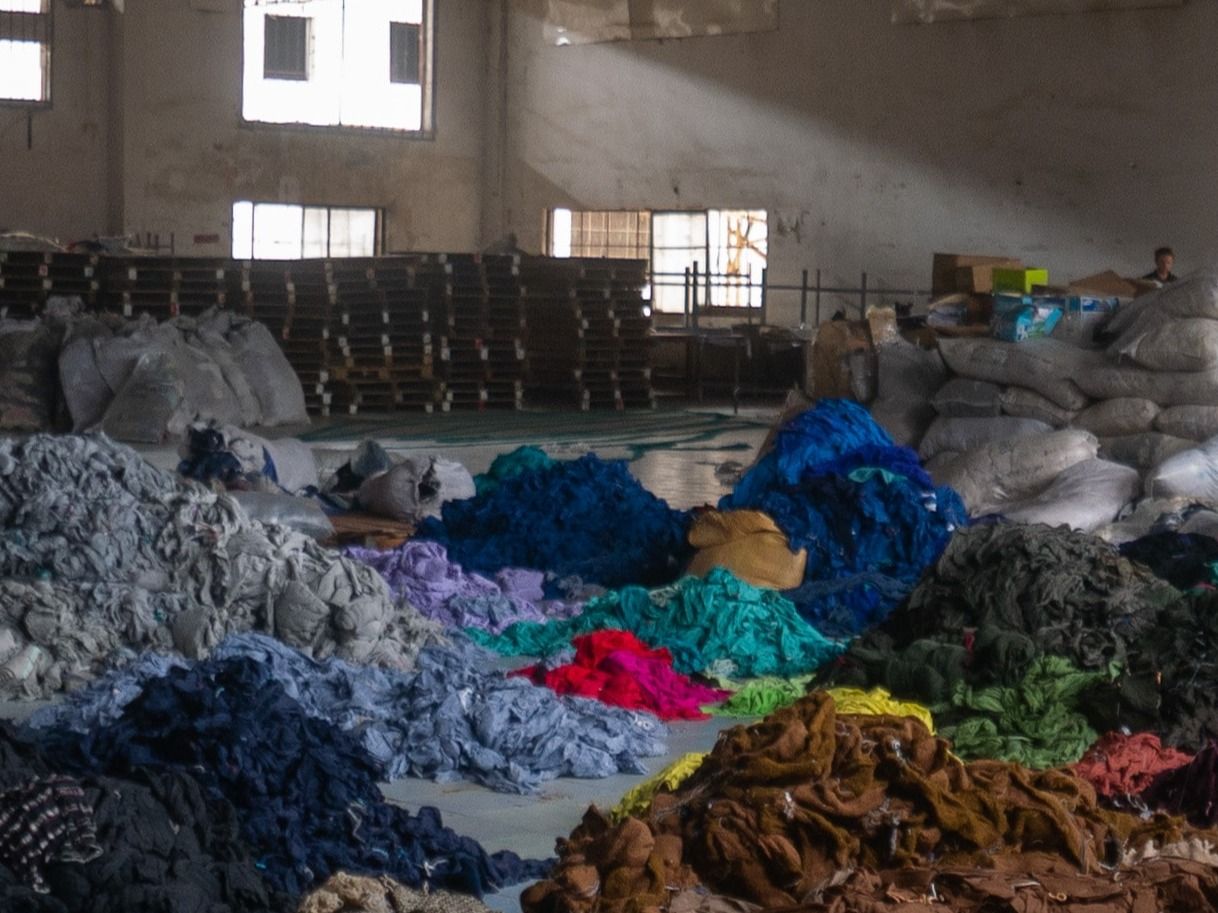
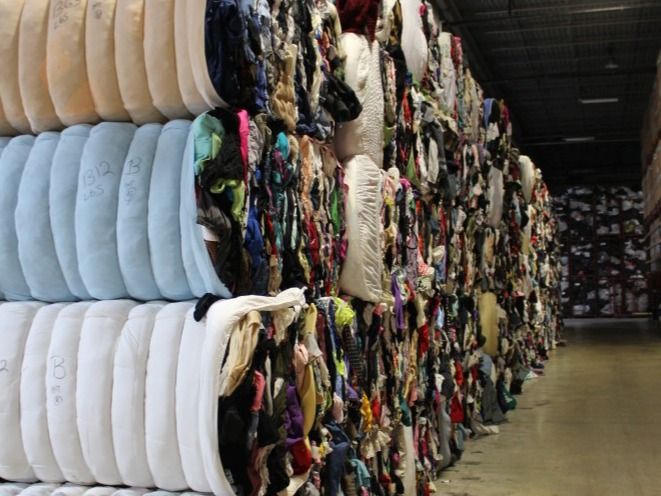
With more than 73% of textiles ending up in landfill or incinerated each year, Ganni aspires to close the loop and create circular business opportunities. Resale is expected to be worth $84 billion by 2030, but to have a tangible environmental benefit, resale must replace new clothing production. This means brands must integrate resale into their business models; yet, they face challenges in accessing inventory and ensuring authenticity and quality. There is also competition from well-established third-party marketplaces, so brands such as Ganni need to consider innovative approaches that meet customer expectations.
Solution
In partnership with Reflaunt, Ganni is offering a blended approach to resale in recognition of the fluidity in the way consumers want to buy and sell pre-owned items. Ganni has set up a peer-to-peer platform, currently available for the UK and Scandinavia, as part of its circular digital offering Ganni Repeat, and created a Smart Button under the ‘My Account’ section of the website. This allows customers to resell Ganni through a network of second-hand marketplaces, as well as Ganni Repeat. Sellers set their price and once sold can choose to receive payment via bank transfer or credit with an additional 20% value for new Ganni purchases. With each sale, Ganni receives a 15% commission. Ganni is also piloting a second-hand concept in their Postmodern store in Copenhagen, allowing customers to trade in pre-owned Ganni for a gift card and browse second-hand items in person.
Choosing a peer-to-peer approach allows Ganni to foster a greater sense of community, while also eradicating some of the logistical and operational requirements, as sellers are in charge of listing and shipping all items.
Outcome
Founder Nicolaj Rettstrup noted the ultimate objective is to make the experience “so seamless you don’t even notice you made a responsible choice”. Resale is still very much in its experimental phase and needs to scale to have a tangible impact, with the goal for 2022 being to expand to new markets. By 2025, Ganni aims to generate 5% of sales from responsible business models.
Location
Industries
Involved organisation(s)
Key elements of the circular economy
Attachments and links
Contributors
Owner
Contributor
Date added: Aug 9, 2022
Last updated: Aug 11, 2022
More from the contributors



Add your content
Strengthen the circular economy knowledge base by adding a report, case study, publication, or other resource to our platform!