Explore by topic

Bitopi Group - turning textile waste into fuel and other resource efficient initiatives
Last updated: Jan 17, 2025
Summary
Bitopi Group employs several environmental initiatives in its plants in Bangladesh to reduce energy demands, water pollution and waste generation.
Problem
Today, fashion accounts for up to 10% of global carbon dioxide output—more than international flights and shipping combined, according to the United Nations Environment Programme. 48 million tones of clothing are disposed worldwide every year. 73% is incinerated, 12% is reused, 12% is downcycled, and only less then 1% is turned into new clothes.
Solution
Waste Treatment Process
Incineration Boiler: To minimize the volume and disposal costs of the wastes generated at the different units, TAL installed a 2 ton incineration boiler, which uses factory wastes - fabric waste, thread cones, and carton boxes/paper as combustion fuel.
Biogas Plant: Biogas is the product of the natural biological breakdown of organic & carbon-rich waste when the supply of oxygen is restricted. The company's technology extracts the value contained in non-recyclable waste by producing 'biogas', a methane-rich natural gas. It is a renewable source of energy in which wastage food is used as a row material. Instead of disposing of the food waste used every day, the factory uses it as feedstock for its biogas plant for cooking.
Energy Management
Skylight: Prismatic skylights enable Prismatic Operation by harnessing the sun so that electric lights can be dimmed or turned off for a portion of the day, conserving energy while making the interior more pleasant for occupants.
Solar panel: Bitopi group 125 kw solar panels meet 5% of the total electricity required by the factory.
Waste Water Treatment
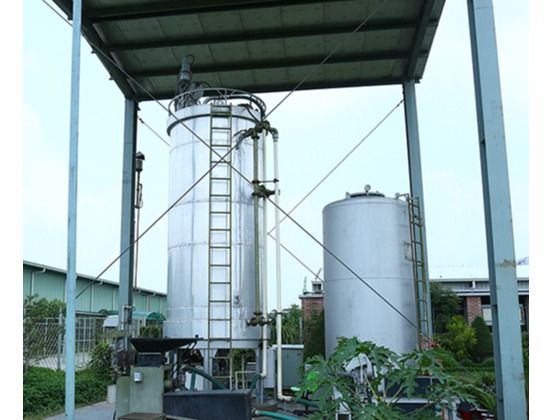
Thermos Oil Heater: Unlike conventional boilers, which use water/steam as heat transfer fluid, thermal oil heaters can operate at atmospheric pressure and achieve temperatures up to 300°C. Thermal oil heaters are thus relatively cheaper and convenient. Plus, they minimize the risk of corrosion, lime deposits, and scale formation.
Water recycling: former wastewater which is collected from Rain Water harvest plant and through ETP by disaggregating chemicals and impurities from the water that has been used in washing is reused in sustainable landscaping irrigation, industrial water needs, and toilet purpose.
Location
Industries
Involved organisation(s)
Attachments and links
Contributors
Owner
Date added: Jan 16, 2023
Last updated: Jan 17, 2025
More from the contributors


Add your content
Strengthen the circular economy knowledge base by adding a report, case study, publication, or other resource to our platform!