Explore by topic

Tusuka - Sustainable business practices in RMG
Last updated: Jan 17, 2025
Summary
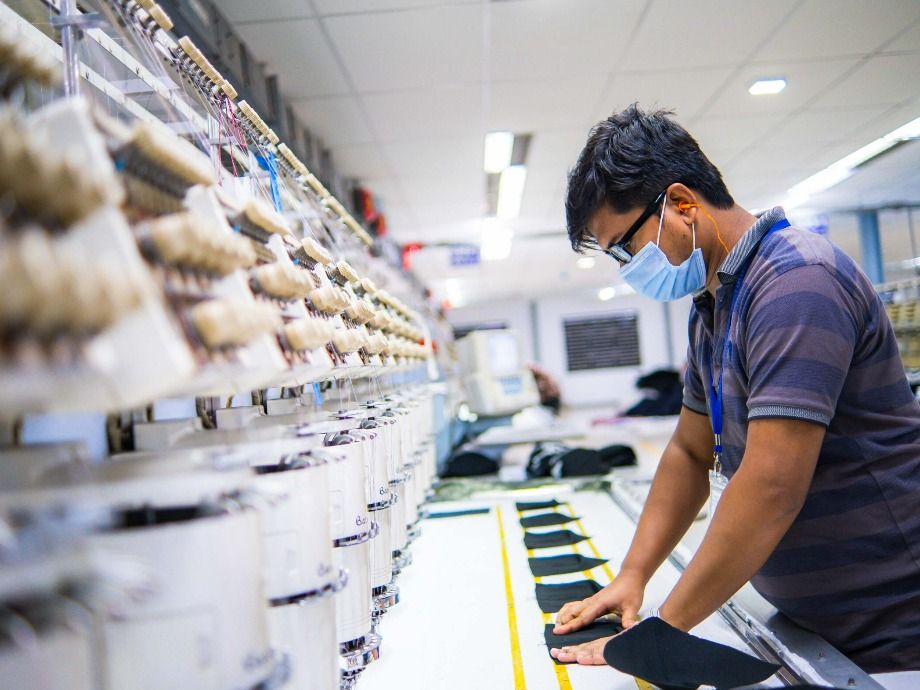
Tusuka is committed to ensure sustainable business practices. Sustainability is profoundly implanted into the business. The company production philosophy is based on asceticism to minimize the usages of raw materials, energy, water and chemicals.
Problem
Today, fashion accounts for up to 10% of global carbon dioxide output—more than international flights and shipping combined, according to the United Nations Environment Programme. 48 million tones of clothing are disposed worldwide every year. 73% is incinerated, 12% is reused, 12% is downcycled, and only less then 1% is turned into new clothes.
Solution
Tusuka implements several solutions to reduce its environemntal performance and cut costs:
Energy efficieny
-Tusuka uses LED bulbs in place of incandescent bulbs like T-12 or T-8 and uses servo motor & VFD control motor, e-flow chemical spray machine, green dryer, energy efficient washing machine,VFD controlled air compressor, IE3 motor & has all exhaust fan replaced by energy efficient motor.
- Tusuka has also implemented a solar power generation unit as a pilot project to conserve natural resources.
Water treatment and recycle
- Tusuka has implemented a Central Effluent Treatment Plant (biological) having capacity 300m3/hr or 7,200m3/day. At the company PP spray section, Tusuka uses the treated recycle water. This water is also used for garden watering, floor cleaning, car washing and construction development. By this system, 3-5% of recycled water is being used at their washing units.
- Tusuka also implemented a roof top Rain Water Harvesting (RWH) project located at the ETP building.
Leakage and consumption monitoring
- A small leak of 1 mm at 10 bar results in a loss of approximately 2.5 kg of steam per hour. Tusuka monitoring team relentlessly works to identify and rectify the steam leakages.
Solid waste management
- As part of agreement with EVA Enterprise & Ria Drum House, Tusuka sent them 910 tons/year of
solid cutting & others waste for recycling.
Outcome
Reduced energy consumption in KWH: 258753.92
Energy saving in BDT million: 1.6444
Location
Industries
Involved organisation(s)
Attachments and links
Contributors
Owner
Date added: Jan 16, 2023
Last updated: Jan 17, 2025
More from the contributors

Add your content
Strengthen the circular economy knowledge base by adding a report, case study, publication, or other resource to our platform!