Explore by topic

RiverRecycle: Transforming River Cleaning and Plastic Waste Management
Last updated: May 22, 2023
Summary
RiverRecycle created a unique business model to offer problem owners – national and local governments – a sustainable river cleaning service without need for constant funding. With three projects already ongoing and several more in their pipeline, they aim to install 500 river cleaning solutions over the next five years to prevent 60% of river-born plastic waste from entering the oceans.
Problem
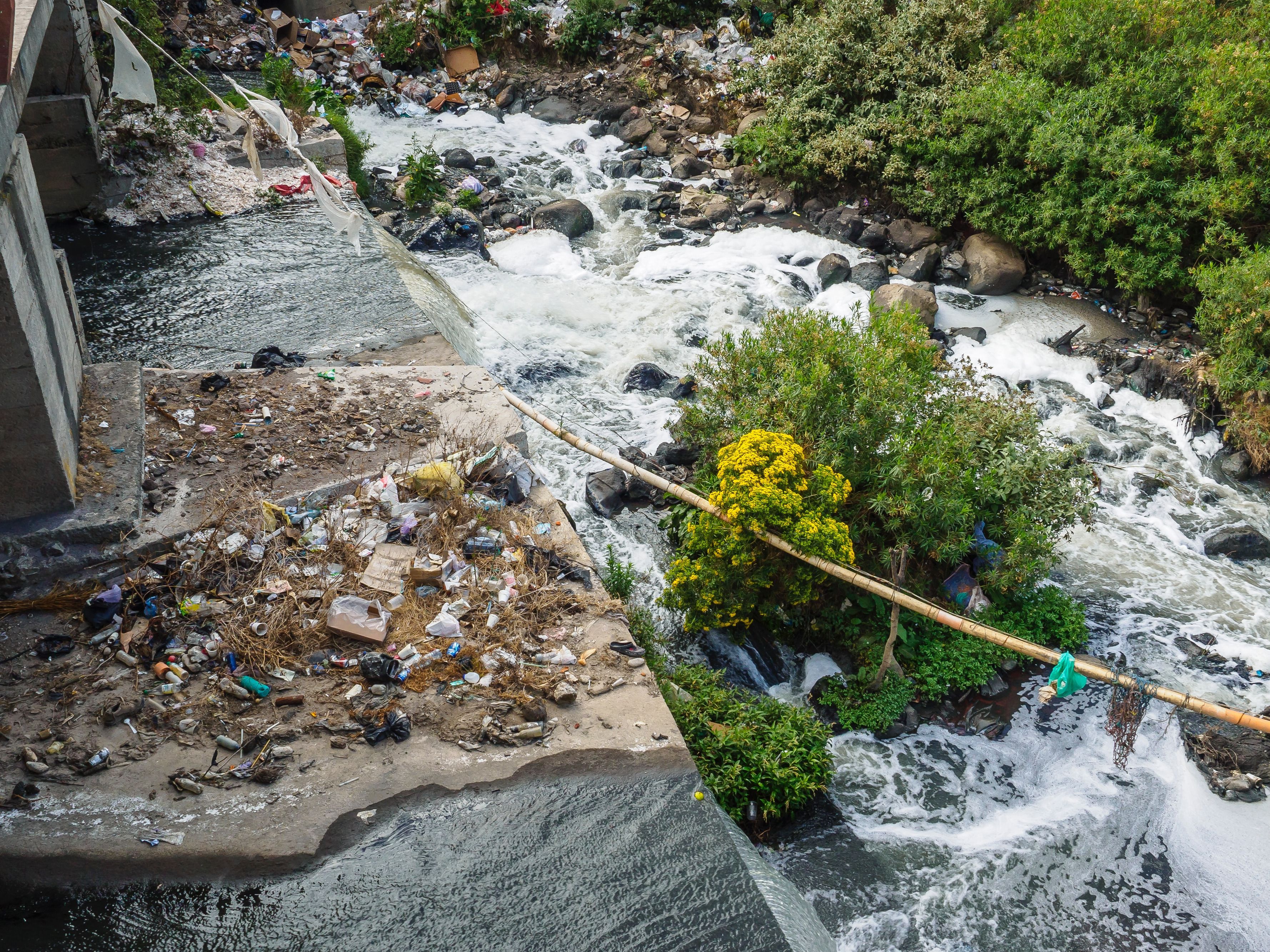
Rivers around the world face significant pollution from plastic waste and floating debris. Traditional methods of river cleaning are often ineffective, and constant funding is required to sustain such operations. This pollution not only harms the environment but also poses risks to marine life and human health. Additionally, local communities lack access to decent job opportunities and struggle with the economic impact of waste management.
Solution
RiverRecycle, established in Helsinki, Finland in 2019 by Anssi Mikola, offers a unique business model to address the challenges of river pollution and plastic waste management. By installing waste management systems on the shores of the most polluted rivers, RiverRecycle collects and recycles plastic waste and floating debris. Their patented technology effectively cleans rivers from plastic pollution, while their circular business model provides hosting communities with decent jobs, social improvement, and environmental benefits.
The collected waste is sorted into material types, with recyclables sold for mechanical recycling and organic waste composted. Low-value plastic waste undergoes pyrolysis, with the resulting oils sold and profits reinvested in the hosting community. This circular economy approach creates value from all waste types, promoting financial sustainability and supporting the local economy.
Outcome
The RiverRecycle business model offers a high turnover compared to the initial investment. By transforming waste into valuable resources through recycling and pyrolysis, the project becomes financially sustainable and reduces the reliance on constant funding.
As a result, RiverRecycle's technology concentrates and removes 40-60% of river-borne floating plastic waste and debris before it reaches the oceans. This reduction in pollution helps protect marine ecosystems and improves water quality.
Moreover, RiverRecycle's established recycling facilities can be utilized by other actors in the waste industry, creating economic incentives for local municipalities and encouraging collaboration to address plastic waste on a broader scale.
Location
Industries
Involved organisation(s)
Key elements of the circular economy
Attachments and links
Contributors
Owner
Date added: May 22, 2023
Last updated: May 22, 2023
More from the contributors




Add your content
Strengthen the circular economy knowledge base by adding a report, case study, publication, or other resource to our platform!