Explore by topic
Transforming Agricultural Byproducts into Biodegradable Goods for Agricultural and Livelihood Use
Last updated: Jan 17, 2025
Summary
YONGDA FOOD and MO MO SUN have collaborated to combine agricultural by-products and biodegradable materials in order to replace traditional agricultural planting and packaging materials used in everyday life, thus reducing waste and increasing the value of agriculture.
Problem
Tackling the issue of excessive agricultural waste materials and leftover fruit peels
Taiwan uses more than 13,000 tons of disposable agricultural film to grow pineapples and strawberries every year, and the annual disposal fee for this waste reaches tens of millions of dollars. In addition, seedling trays and mushroom grow bags used for cultivation in the agricultural industry become plastic waste materials after use. An urgent solution is required for this issue.
YONGDA FOOD is the largest lemon juice factory in Taiwan, producing up to 3,000 tons of leftover fruit peel every year. Just clearing and transporting these peel residues costs millions of dollars. In order to reduce resource waste and increase the added value of Taiwan's agricultural products, YONGDA FOOD and MO MO SUN have collaborated to develop an innovative program.
Solution
Food manufacturers propose cross-industry solutions
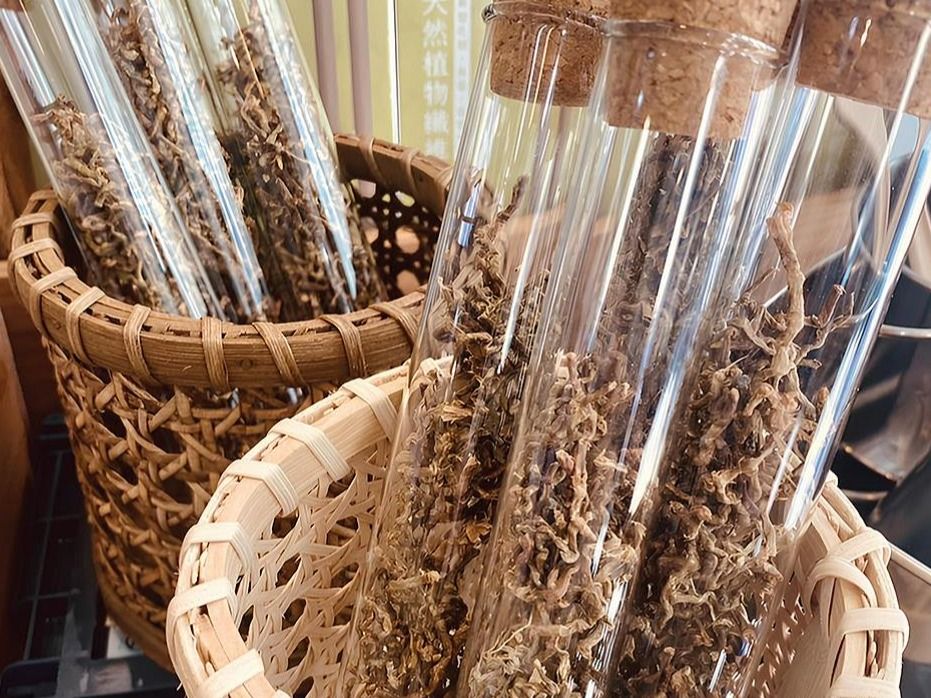
This program combines agricultural by-products such as tea stems, sugarcane bagasse, rice husks, lemon scraps, and pineapple scraps with biodegradable resin to convert them into various products. From agriculture to daily living, these products serve diverse purposes, such as agricultural film, seedling cups, tote bags, straws, portable cups, dental floss picks, etc. These products are biodegradable. After use, they are buried in the soil and composted. After about one year, they will be completely decomposed into carbon dioxide and water.
Outcome
▪ Reducing the total amount of agricultural waste and cutting down on high cleaning and transportation expenses.
▪ Compared with traditional plastics, the processing temperature of these new materials is reduced by 20-50 degrees, which means that manufacturers can reduce energy use and related emissions.
▪ This plant fiber resin contains 35% organic matter [1]. After recycling, it is expected to increase the carbon sink capabilities of soil.
Location
Industries
Involved organisation(s)
Attachments and links
Contributors
Owner
Date added: Sep 16, 2024
Last updated: Jan 17, 2025
More from the contributors

Add your content
Strengthen the circular economy knowledge base by adding a report, case study, publication, or other resource to our platform!