Explore by topic

Hermès adopts a comprehensive approach to the circular economy
Last updated: Oct 3, 2024
Summary
Led by Hermès, the initiative involves implementing wastewater treatment technologies and strict environmental management standards to reduce water and energy use, alongside significant improvements in waste recovery.
Problem
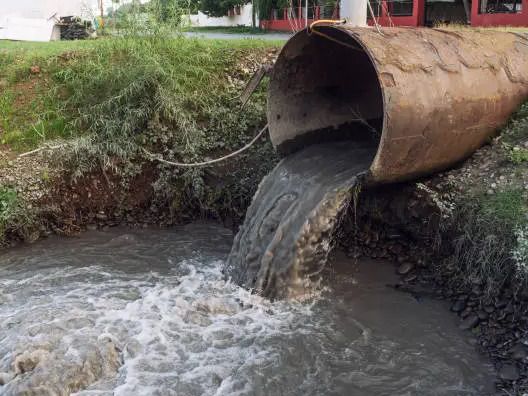
Textile dyeing and treatment consume a lot of fresh water and are some of the most water-intensive processes, often leading to water pollution through the release of toxic chemicals, dyes, and heavy metals. Chemical fertilisers used in cotton farming and mismanaged wastewater can contribute to the deregulation of biogeochemical flows by introducing harmful substances such as nitrates and phosphates. This contamination affects the freshwater use planetary boundary by diminishing water quality, leading to biodiversity loss, and damaging freshwater ecosystems.
Key challenges included reducing waste, energy consumption, and water usage across its various divisions while ensuring regulatory compliance and maintaining high operational standards.
Solution
To boost its overall circularity, luxury brand Hermès is focusing on waste and energy reduction, recycling, and recovery across its various divisions.
By investing in wastewater treatment technologies and adhering to stringent chemical management standards, it ensures environmental compliance.
The company employs advanced wastewater treatment technologies that reduce the use and discharge of hazardous substances.
Hermès follows stringent environmental compliance standards to ensure that its wastewater treatment processes meet regulatory requirements. This involves regular evaluation, maintenance, and optimisation of treatment systems to improve efficiency and effectiveness in removing contaminants.
Outcome
According to their 2023 report, the brand’s overall water consumption for industrial use decreased by 9.3% compared to 2022, despite the addition of new sites in the reporting scope (a decrease of 10% at constant scope). What’s more, their overall energy consumption decreased by 4.1% compared to 2022 thanks to the solutions implemented in manufacturing sites and retail locations. In 2023, 53% of waste was recovered compared to 41% in 2022 to increase this ratio in the coming years.
Industries
Involved organisation(s)
Key elements of the circular economy
Contributors
Owner
Date added: Oct 2, 2024
Last updated: Oct 3, 2024
More from the contributors



Add your content
Strengthen the circular economy knowledge base by adding a report, case study, publication, or other resource to our platform!