Explore by topic
Introducing the World’s First Waste Gas Recycled Clothing
Last updated: Oct 30, 2024
Summary
Far Eastern New Century harnesses recycled emissions from steel plants to produce low-carbon polyester, pioneering the world’s first clothing made from waste gases. This innovative technology reduces greenhouse gas emissions by 30% compared to traditional polyester, marking a significant advancement in low-carbon material source for the industry.
Solution
Turing Waste Gases into New Material Sources
In collaboration with U.S. biotechnology firm LanzaTech, Far Eastern New Century recycles emissions from Chinese steel plants. Through specialized microbial fermentation, these emissions are converted into ethanol, which is then processed by India Glycols into ethylene glycol. Leveraging its proprietary polyester synthesis technology, Far Eastern New Century manufactures FENC®TOPGREEN®Bio3 PET low-carbon polyester. This versatile material finds applications in textiles such as apparel, sportswear, industrial polyester products (e.g., automotive materials), and food packaging. In 2021, Far Eastern New Century partnered with leading brands to introduce the world’s first polyester clothing made from steel plant emissions.
Enhancing Process Benefit for Greater Technological Impact
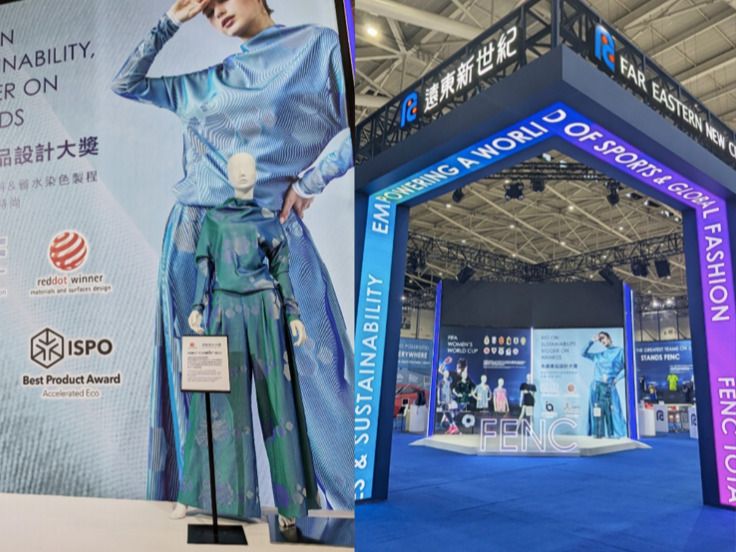
Since 2022, Far Eastern New Century has enhanced the efficiency of emissions recycling technology by integrating it with the nylon 66 solution-dyeing technology. This integration has resulted in advanced fabrics that exemplify environmental sustainability across the entire production cycle. Acknowledged with numerous international awards, these fabrics have been featured in collaborations with prominent brands such as ZARA, H&M, and Craghoppers. Furthermore, Far Eastern New Century collaborated with adidas for global sporting events, including outfitting athletes for the Australian Open, setting a new benchmark in the industry.
Outcome
▪ Reducing greenhouse gas emissions by 30% compared to traditional polyester.
▪ Saving 61% water and reducing energy consumption by 67% compared to traditional water dyeing techniques.
Location
Industries
Involved organisation(s)
Attachments and links
Contributors
Owner
Date added: Oct 29, 2024
Last updated: Oct 30, 2024
More from the contributors

Add your content
Strengthen the circular economy knowledge base by adding a report, case study, publication, or other resource to our platform!