Explore by topic

Fijn Wonen’s Circular Construction Powered by Robotics
Last updated: Apr 25, 2025
Summary
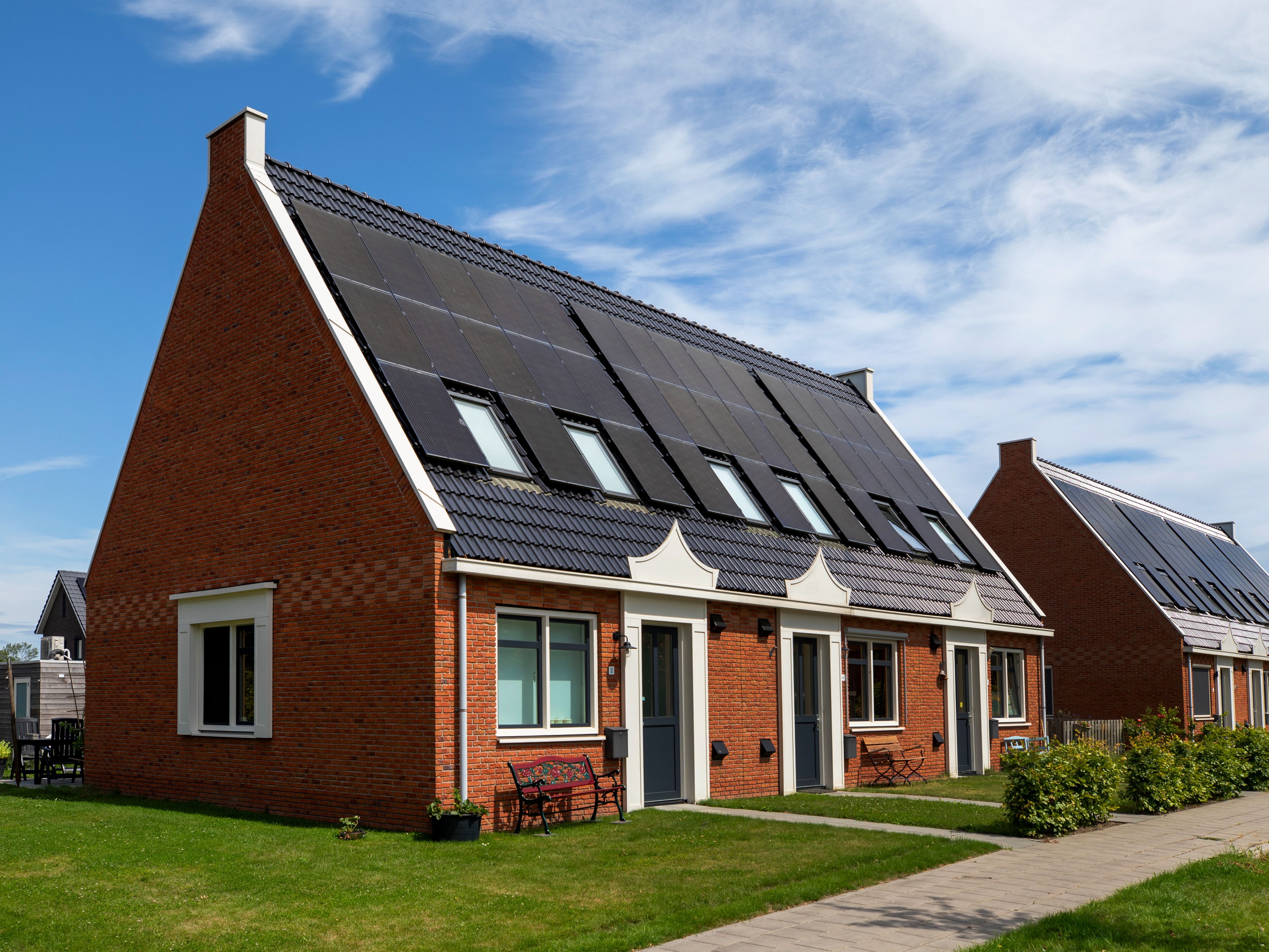
Fijn Wonen is revolutionising the housing industry by constructing affordable and sustainable homes using advanced robotic technology. This approach enhances efficiency, reduces waste, and minimises environmental impact, exemplifying an innovative circular business model that benefits both people and the planet. Fijn Wonen highlights the co-benefits that can emerge from integrating circular design approaches into business models, demonstrating how homebuilding can be done in a local, efficient, and circular way.
Problem
The housing sector faces significant challenges, including a shortage of affordable homes, inefficient traditional construction methods, and substantial environmental impacts due to material waste and carbon emissions. Addressing these issues requires innovative solutions that can deliver quality housing in a more cost- and resource-effective manner. The Netherlands, and Friesland in particular, have set targets for the number of homes to be built to meet the growing needs of the population. These targets must be achieved in a way that not only avoids contributing to negative environmental and social impacts but ideally reduces them.
Solution
Fijn Wonen has developed a method for building homes using advanced robotic technology, streamlining the construction process and significantly reducing waste. By incorporating industrialised building techniques, they produce high-quality, energy-efficient homes that are both affordable and environmentally friendly. This approach allows for greater precision, faster construction times, and a reduced carbon footprint compared to traditional methods. Advanced robotics ensures homes are built to last, minimising waste and improving efficiency throughout the process. The company demonstrates how circular principles can be embedded at the design stage, resulting in buildings that use fewer resources, have a longer lifespan, and are made from less carbon-intensive materials.
Outcome
The integration of robotics in construction has significantly improved efficiency by reducing both construction time and labor costs. Precision manufacturing minimises material waste, supporting more sustainable building practices while also lowering overall project expenses. These streamlined processes enhance affordability, making quality housing more accessible to a broader population. Additionally, energy-efficient designs and waste reduction efforts help decrease carbon emissions, resulting in a smaller environmental footprint.
Key elements of the circular economy
Attachments and links
Contributors
Owner
Contributor
Date added: Mar 24, 2025
Last updated: Apr 25, 2025
More from the contributors




Add your content
Strengthen the circular economy knowledge base by adding a report, case study, publication, or other resource to our platform!