Explore by topic

Pioneering circularity in offshore wind: the IJmuiden Ver Alpha wind farm
Last updated: Apr 15, 2025
Summary
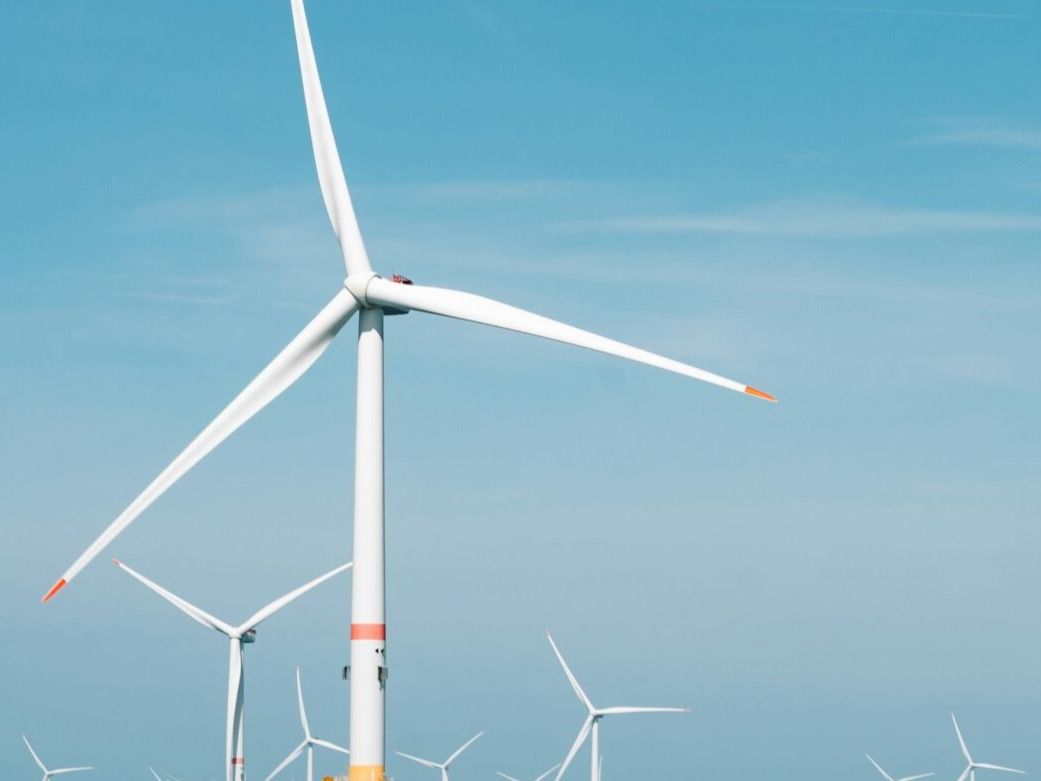
This case study highlights the integration of circular economy principles into the development of the IJmuiden Ver Alpha wind farm, a 2GW offshore wind farm located in the Dutch North Sea. Circular Industry experts at Bax supported Noordzeker—a consortium of SSE Renewables, Pensioenfonds ABP, and APG—in securing a permit to develop the wind farm, capable of generating enough energy to meet approximately 7% of the Netherlands' current electricity demand, while setting a new benchmark for sustainability in offshore wind development.
Problem
Traditional offshore wind projects have largely focused on cost-effective energy generation without fully addressing the environmental impact of materials used throughout the lifecycle of the wind farm. The wind energy sector faces challenges in addressing resource usage, material waste, and the end-of-life disposal of turbine components. As offshore wind development grows, the need to incorporate circular economy principles—optimising resource use, reducing waste, and ensuring the recyclability of materials—has become critical to achieving long-term sustainability.
Solution
Bax supported Noordzeker in integrating circularity into every phase of the IJmuiden Ver Alpha project. Circularity was embedded from the initial design phase, focusing on optimising turbine components for reusability and recyclability. The project also included end-of-life recycling strategies to ensure sustainability at all stages. Notably, circularity accounted for 10% of the evaluation criteria set by the Netherlands Enterprise Agency for the permit application, highlighting the importance of sustainability in the project’s development. By addressing circularity in design, the consortium was able to demonstrate how these practices can align with both environmental and economic goals.
Outcome
The IJmuiden Ver Alpha wind farm is set to be a model for responsible and sustainable offshore wind energy development.
Key anticipated outcomes include:
Environmental benefits: The integration of circular design and material reuse reduces resource usage and waste, lowering the overall environmental impact of the project.
Energy production: The wind farm's 2GW capacity will generate enough energy to meet approximately 7% of the Netherlands’ current electricity demand, contributing significantly to the country’s renewable energy goals.
Economic impact: The use of circular practices in the design and construction of the wind farm will result in long-term cost savings and provide a sustainable energy solution that aligns with market demand for eco-friendly initiatives.
This pioneering project is expected to be operational by the end of the decade, setting a new standard for offshore wind development in terms of circular economy principles and sustainability.
Location
Industries
Involved organisation(s)
Key elements of the circular economy
Attachments and links
Contributors
Owner
Date added: Apr 8, 2025
Last updated: Apr 15, 2025
More from the contributors
Add your content
Strengthen the circular economy knowledge base by adding a report, case study, publication, or other resource to our platform!