Explore by topic

Hanoi school milk recycling programme
Last updated: May 12, 2022
Summary
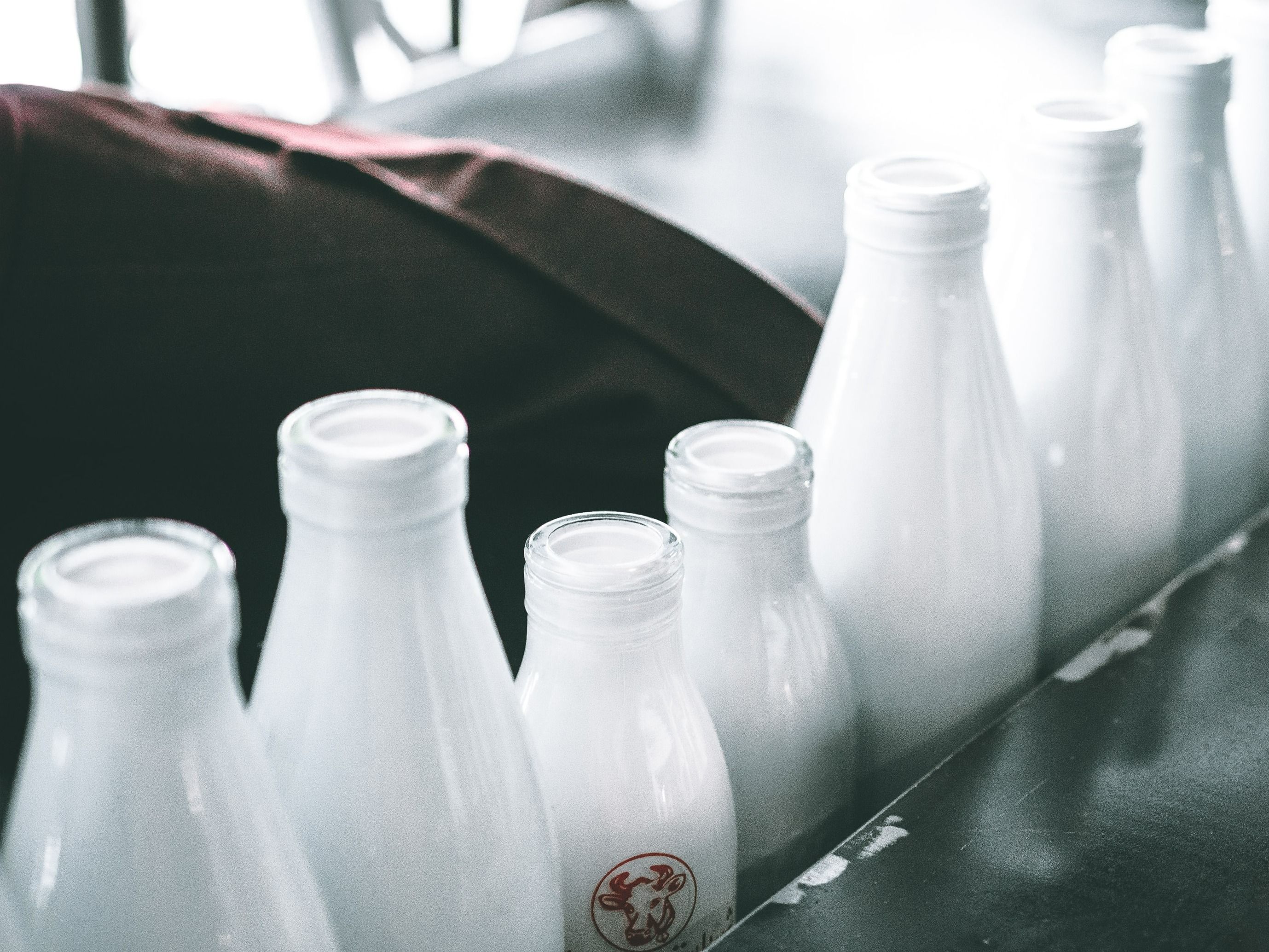
To combat the amount of recyclable waste going to landfill, Hanoi City has collaborated with Tetra Pak Vietnam, Lagom Vietnam, and NHC Social Enterprise to launch a programme facilitating the collection, sorting, and recycling of milk cartons in schools around the city.
Problem
As a fast growing city, Hanoi generates up to 6,000 tonnes of municipal solid waste every day, comprising up to 10 percent plastic. The waste is unsegregated, and 95 percent is sent to landfill, while the other 5 percent is incinerated. The city has implemented a ‘school milk’ programme, which has resulted in high volumes of discarded milk cartons, primarily made of paper with some aluminium and plastic components.
Solution
To combat the amount of recyclable waste going to landfill, Hanoi City has collaborated with Tetra Pak Vietnam, Lagom Vietnam, and NHC Social Enterprise to launch a programme facilitating the collection, sorting and recycling of milk cartons in schools around the city.
Outcome
Since its launch, the programme has collected over 100 tonnes of milk cartons, and is projected to reduce waste going to landfill by over 1,000 tonnes—thus decreasing methane emissions by 111 tonnes. The project has been successful in its early stages, and will expand to all school districts of the city in the coming years.
Location
Industries
Involved organisation(s)
Key elements of the circular economy
Attachments and links
Contributors
Owner
Contributor
Contributor
Date added: Dec 1, 2020
Last updated: May 12, 2022
More from the contributors

Add your content
Strengthen the circular economy knowledge base by adding a report, case study, publication, or other resource to our platform!