Explore by topic

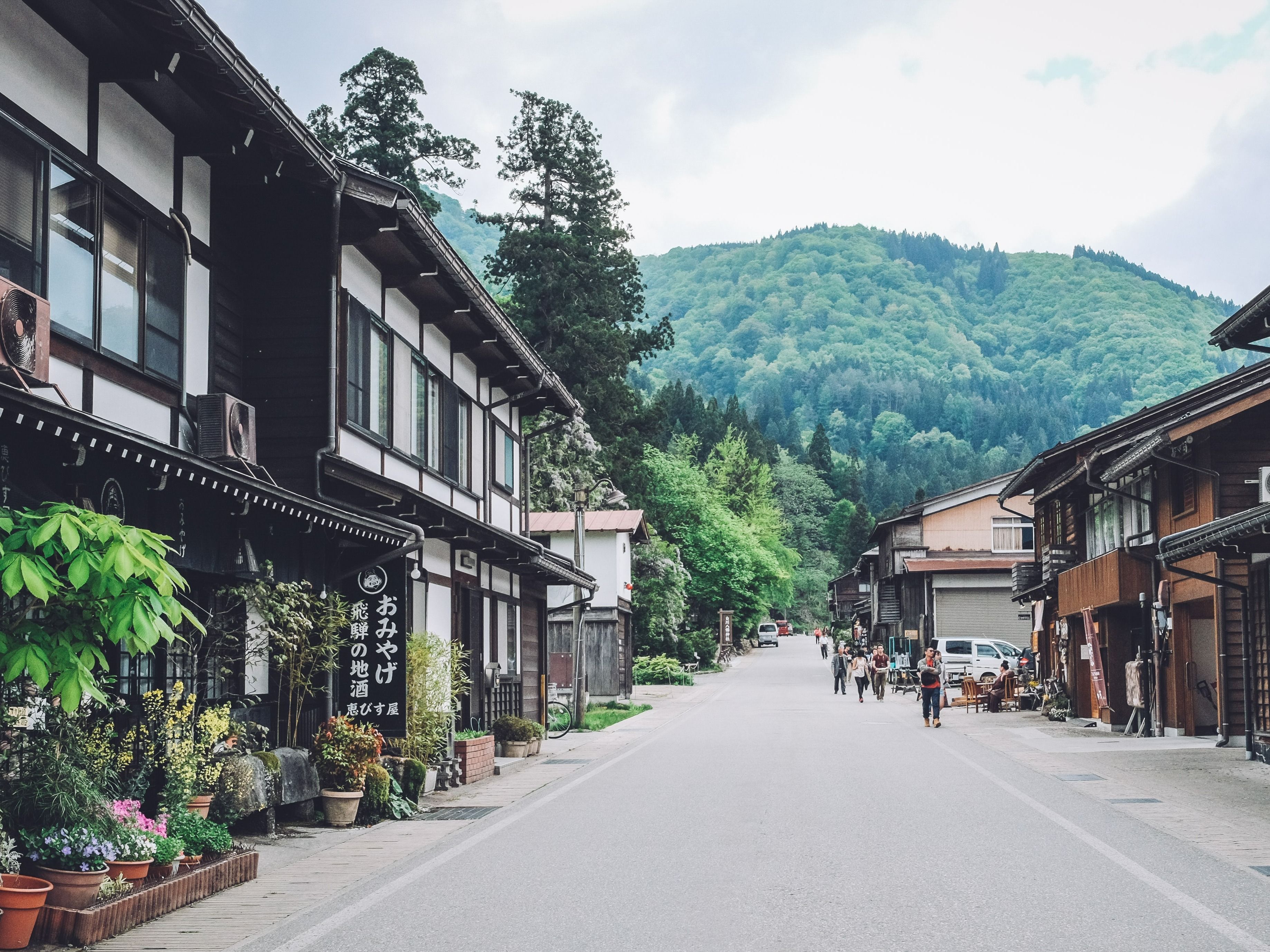
Kamikatsu, the first almost zero waste municipality in Japan
Last updated: Aug 18, 2022
Summary
Already in 2003, Kamikatsu declared its Zero Waste Ambition. Despite all challenges it has had remarkable successes. In 2015, Kamikatsu had already achieved a recycling rate of almost 80 percent and by then they had created a roadmap, working together with locals and businesses, aiming zero waste by 2020.
Problem
After strong pressure from the national government to stop burning rubbish on an open fire, the town built an incinerator. Yet, the model was soon banned following health concerns about the dioxins it produced. Losing therefore out money, also having to pay large sums to use the facilities of a nearby town.
Solution
Kamikatsu, a town located in Katsuura District in the prefecture of Tokushima, Japan, came up with a Zero Waste Policy. Researching cases around the world and eventually focusing on recycling and separating waste into categories, the residents realised they could turn it into resources. The town started with nine categories of waste separation, reaching 34 categories in 2002.
Outcome
Kamikatsu found a way to prioritise recycling over burning, despite today’s Japan's world's safest and cleanest incineration technology. It created a community center connecting society with sustainable resources, expanding the range of action towards reuse and connecting not just residents but businesses, both in and out of town.
Location
Industries
Involved organisation(s)
Key elements of the circular economy
Attachments and links
Contributors
Owner
Contributor
Contributor
Date added: Jan 4, 2021
Last updated: Aug 18, 2022
More from the contributors









Add your content
Strengthen the circular economy knowledge base by adding a report, case study, publication, or other resource to our platform!