Explore by topic

British company to build waste-to-fuel plants in Bogor
Last updated: Apr 14, 2023
Summary
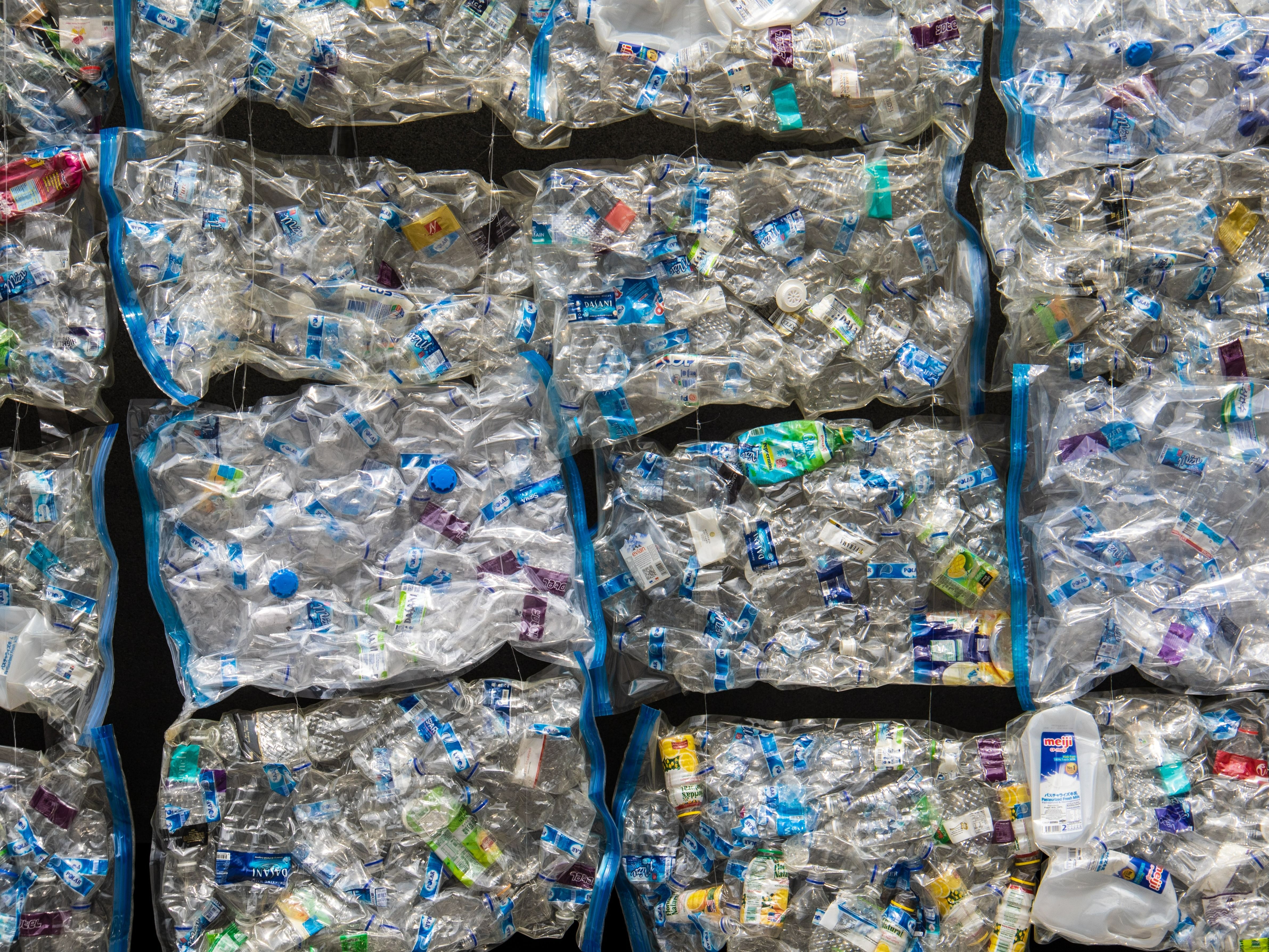
To minimize plastic waste, Bogor local government signed a memorandum of understanding (MoU) with British recycling company, Plastic Energy Limited, to build plastic waste-to-oil facility in the final disposal site in Galuga Village. It is expected that for every ton of plastic waste processed, 860 litres of fuel will be produced.
Problem
Bogor City produces 600 tons of waste per day, of which 13 percent is plastic waste.
Solution
To minimize plastic waste in the city, Bogor local government released the "Botak" program, or Bogor with no-plastic bags.
In alignment to the program, they have also signed a memorandum of understanding (MoU) with the British recycling company, Plastic Energy Limited, to process plastic waste at the Galuga disposal site. The company has the technology to transform plastic waste into diesel oil through the process of pyrolysis, and they are planning to build five waste-to-fuel plants costing $40 million each across West Java.
Following the signing of the MoU, the London-based company will require approval from both the Bogor district and Bogor city administrations to build the plant.
Outcome
Each plant is expected to daily process 70 tons of low-grade plastic waste, including plastic bags and wrappers, and convert it to fuel. For every ton of plastic waste, the plant can produce 860 liters of fuel, comprising 80 percent diesel and 20 percent naphtha.
Location
Industries
Involved organisation(s)
Key elements of the circular economy
Attachments and links
Contributors
Owner
Contributor
Contributor
Date added: Feb 1, 2021
Last updated: Apr 14, 2023
More from the contributors











Add your content
Strengthen the circular economy knowledge base by adding a report, case study, publication, or other resource to our platform!