Explore by topic

NovFeed - Fish feed from insects
Last updated: Jul 5, 2022
Summary
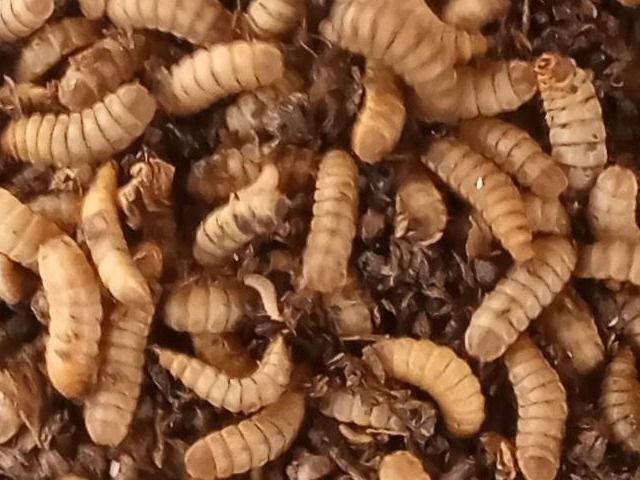
NovFeed uses market waste in the production of black soldier fly larvae as an alternative to fish meal for low-income fish farmers. The resulting insect-based product is an alternative to the expensive soy and fishmeal that are used to produce commercial fish food. Black soldier flies and their larvae break down the organic waste and the maggots can be converted into high-protein fish food. The by-product can then be converted into compost, with the help of worms.
Problem
Commercially manufactured feeds are too expensive for fish farmers in Tanzania. An estimated 76% resort to making their own feed in small batches from local ingredients. The resulting feed is nutritionally inadequate since farmers do not have the right knowledge, ingredients or equipment. The result is slower growing, smaller fish, which diminishes farmers’ potential returns. Meanwhile, markets in Dar es Salaam produce as much as 4,200 tonnes of waste every day, which could be converted to high protein fish feed, but instead goes to landfill
Solution
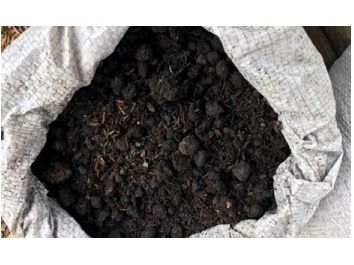
NovFeed converts food market waste to high protein feed and organic fertiliser with the help of black soldier flies, crickets and worms. The resulting insect-based product is an alternative to the soy and fishmeal that is used in producing commercial fish food. Black soldier flies and their larvae break down the organic waste and the maggots can be converted into high-protein fish food. The by-product can be converted into compost, with the help of worms. In collaboration with local universities and research institutions, NovFeed is conducting trials of their fish feed, laboratory tests on fertiliser formulae, and is exploring further use of crickets in their process. They reach their fish-farmer customers through KCG Aquatec, a consultancy that provides guidance and technical assistance to farmers. The Tanzanian government has also provided them with office space to operate for the next two years. NovFeed’s team is also reviewing their model to empower women to collect organic waste, especially from marketplaces and restaurants. As part of the next phase of their development, they are exploring how to collect household waste and address the harder challenges of unsegregated waste.
Location
Industries
Involved organisation(s)
Key elements of the circular economy
Attachments and links
Contributors
Owner
Contributor
Contributor
Date added: Feb 16, 2021
Last updated: Jul 5, 2022
More from the contributors
Add your content
Strengthen the circular economy knowledge base by adding a report, case study, publication, or other resource to our platform!