Explore by topic

Safi Sana - Replenishing soil from urban waste
Last updated: Jul 4, 2022
Summary
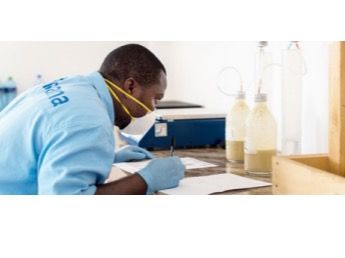
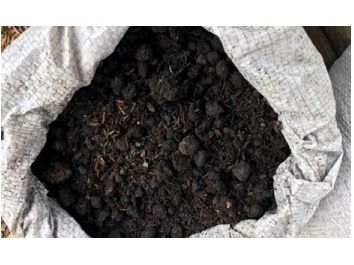
Safisana designs and operates systems that use market waste and sewage to produce electricity, compost, irrigation water and seedlings. The company combines organic waste from food markets and abattoirs with faecal matter from urban slums to produce biogas, soil conditioner and water for irrigation. They have their own organic fertiliser brand, ‘Asaase Gyefo’ (‘Soil Saviour’), which they both sell and use to propagate seedlings. A significant portion of their revenue comes from selling electricity generated from captured methane to Ghana’s national power company.
Problem
In Accra, 73% of the population use shared sewage facilities from which faecal sludge is drained mechanically by trucks, with 72% of this ending up untreated in the environment. The only remaining landfill site in Accra is estimated to have reached capacity. Of the 2,385 tonnes of municipal waste produced daily, organic matter comprises 65%. On the other hand, Africa has some of the most degraded soils in the world, with land being stripped of micro and macro nutrients. Waste organic matter can return vital nutrients to the soil and create energy and irrigation water from by-products of the process.
Solution
Safisana designs, constructs and operates waste-to-energy anaerobic digestion plants. The company combines organic waste from food markets and abattoirs with faecal matter from urban slums to produce biogas, soil conditioner and irrigation water. They have their own nutrient rich organic fertiliser brand, ‘Asaase Gyefo’ (‘Soil Saviour’), which they both sell and use to produce seedlings. A significant portion of revenue comes from selling electricity generated from captured methane to the national power company. Collaboration has always been at the heart of their model, right from their founding. The local municipal assembly contributed land for their plant. They work closely with NGOs improving public toilets, and they have a deep relationship with local communities. Improving sanitation requires them to encourage behaviour change, which entails educating customers on proper segregation and disposal of organic waste. In this regard, every employee of Safisana is an ambassador for the change they are contributing to. They have benefitted from blended financing - from grants to establish the plant, to a diverse revenue mix to cover operating costs. This reflects the deep value they provide, which goes beyond sanitation services to customers, or soil enhancement to farmer buyers and extends to cleaning up the environment and communities, while alleviating the burden on an overencumbered waste management system
Location
Industries
Involved organisation(s)
Key elements of the circular economy
Attachments and links
Contributors
Owner
Contributor
Contributor
Date added: Feb 16, 2021
Last updated: Jul 4, 2022
More from the contributors


Add your content
Strengthen the circular economy knowledge base by adding a report, case study, publication, or other resource to our platform!