Explore by topic

Swedish company Renewcell develops Circulose®, a pulp made out of 100% textile waste.
Last updated: Apr 11, 2023
Summary
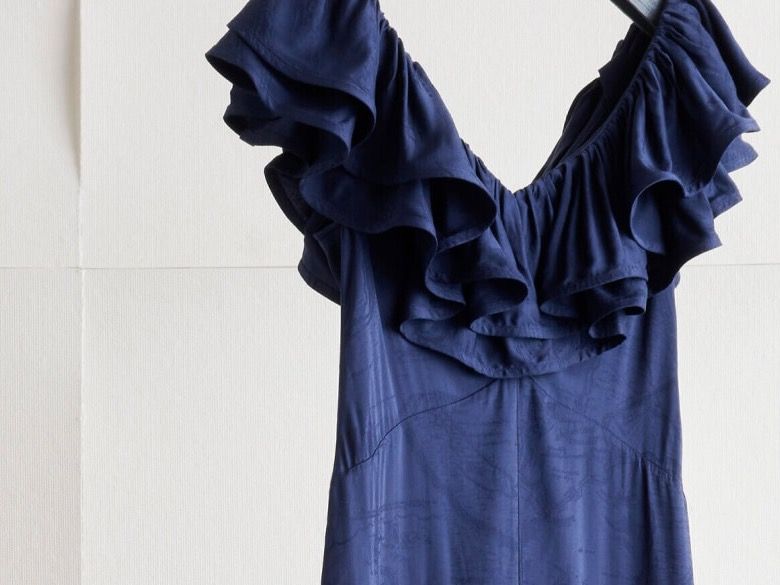
Circulose® is a branded ‘dissolving pulp’ product that Renewcell makes from 100% textile waste such as worn-out jeans and production scraps. Dissolving pulp is what the textile industry uses to make viscose, lyocell, modal, acetate other types of regenerated fibers (also called ‘man-made cellulosic fibers’). The only difference with Circulose® is that it’s made from textile waste instead of wood.
Problem
Fashions change but the industry itself never really has. It’s always been about growing more cotton, using more water, spraying more chemicals and pumping more oil to sell more of the season’s must-haves. Bigger, faster, cheaper and more wasteful.
The fashion industry is one of the largest polluters of clean water and users of virgin raw materials and energy, and discarded clothing fills global landfills with thousands of tonnes of textile waste every year. It’s the opposite of sustainable.
Solution
The process works in the following steps:
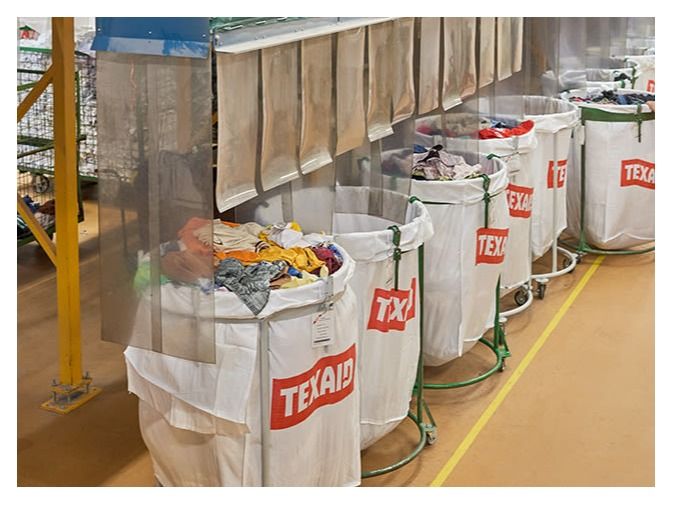
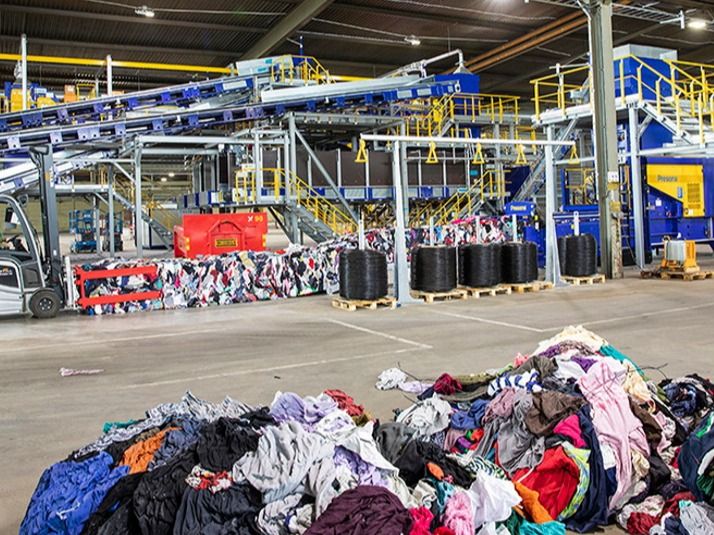
1. Renewcell takes in garments that can’t be resold to people. Either they’re way too worn-out or hopelessly out of style. Cotton clothes are ideal because they contain a lot of cellulose.
2. The clothes are shredded, de-buttoned, de-zipped, de-colored and turned into a slurry. Contaminants like plastic polyester are taken out. What remains is cellulose - the biodegradable organic polymer that cotton, trees and all green plants on earth are made out of.
3. The slurry is dried to produce sheets of pure Circulose®. The sheets are packaged into bales and shipped to partner companies (such as H&M or Levi's) to be made back into natural textile fibers.
4. A brand designs new clothes using Circulose® fibers. These fibers can be mixed with other fibers or used alone, depending on the need of the product.
Outcome
People that choose Circulose® garments cut their waste, climate, water, microplastics and deforestation fashion footprint to almost zero. Using a breakthrough process powered by 100% renewable energy, Renewcell transforms old clothes into a pristine natural material that needs no cotton fields, no oil, and no trees.
Location
Industries
Key elements of the circular economy
Attachments and links
Contributors
Owner
Contributor
Contributor
Date added: Aug 5, 2021
Last updated: Apr 11, 2023
More from the contributors






Add your content
Strengthen the circular economy knowledge base by adding a report, case study, publication, or other resource to our platform!