Explore by topic

Demystifying process-level scalability challenges in fashion remanufacturing: An interdependence perspective
Last updated: Sep 30, 2021
Summary
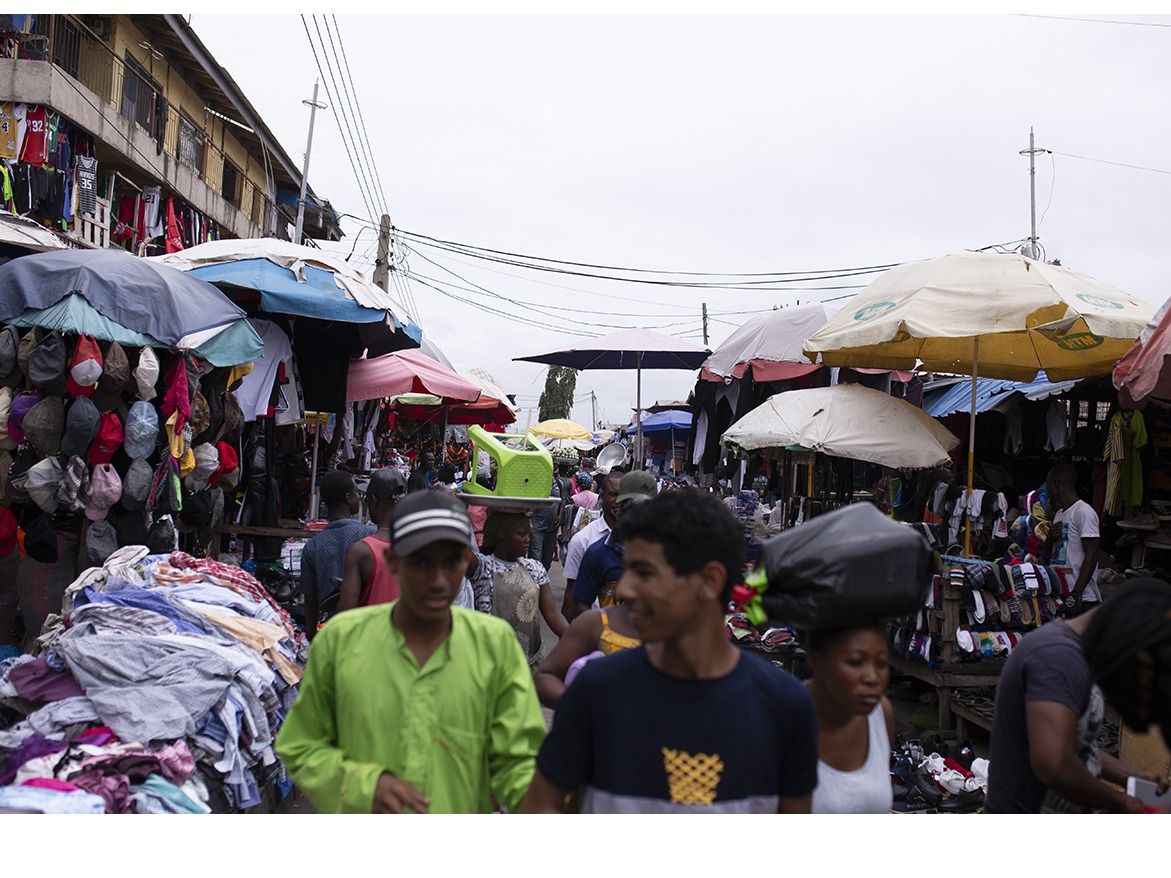
Global fashion consumption has nearly doubled since 2000 largely due to the rapid expansion of fast fashion, which as a consequence, increased fashion waste to about 91 million tons (in 2015). It is projected that clothing consumption will increase the water consumption, energy usage, and waste creation by 50%, 63%, and 62% respectively by 2030. Therefore, it is crucial in this context to develop remanufacturing skills for extending product use life, counteracting planned obsolescence and the premature loss of resources. In essence, remanufacturing can help society and economies to gain long-term sustainable growth while protecting resources and the environment. The European Environmental Agency states that lack of scalability in circular operations is the major reason for the slow transition to full circularity, as implementation often stops at small-scale experiments and pilots due to not overcoming the scalability challenges. In the fashion and textile industry, this is particularly challenging as post-consumer textile waste comes to the hands of remanufacturers in very different conditions, making the entire process very manual. If scaled, remanufacturing could ensure not only recovery of end-of-use products but also added value. That would allow post-consumer garments to go back to the market with the same perceived value and quality as a new garment made from virgin materials, which would reduce the industry’s need for virgin material extraction and also reduce the amount of waste being generated at the end of a product’s life cycle.
Problem
-Finding ways and solutions to enable textile remanufacturing scalability, meaning that capacities to carry out industrial processes preferably in a “factory” environment with certain degrees of reproducibility to attain high volume, need to be developed.
-High level of uncertainty in internal processes leading to a number of process-level challenges, such as quantities and timing of returns, volume, recovery time, cost, product quality and upgradability.
-Lack of specialist skills, equipment and tools.
-Clothes are not normally designed for dis- and re-assembly, making it hard to break down a product’s components.
-As a result, remanufacturing today is almost a craft or done on a pilot scale.
Solution
-It is comprehended that remanufacturing using post-industrial (or pre-consumer) waste, could provide more consistent quality and reliable supply as source materials
-Collaborative industrial integration to standardize operations and ensure an efficient flow of materials. Starting this collaborative approach with post-industrial and pre-consumer waste between tier 1 suppliers and remanufacturers, could lay the foundation for an efficient reverse logistics system that could eventually be expanded to incorporate post-consumer waste.
-Invest in automation of remanufacturing process technologies
-Training designers for circularity and remanufacturing is extremely important as they are at the very beginning of a product’s life, and their choices can either facilitate or worsen disassembly, cleaning, repairing and reassembly.
-Creating specific stages and steps, and organizing the personnel in a fordist-like production system to increase productivity.
Outcome
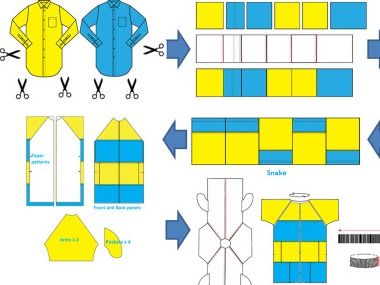
-Setting clear steps and processes can reduce the interdependence between disassembly and reassembly during fashion remanufacturing, thus increasing productivity and reducing the remanufacturing timeframe.
-The standardization of processes by creating support systems like visual tools and instructions can help reduce process variability and complexity.
-Training designers, who are at the beginning of a product’s life cycle, can have a crucial positive impact on remanufacturing production efficiency through the use of innovative thinking and technologies.
Location
Industries
Attachments and links
Contributors
Owner
Contributor
Date added: Aug 8, 2021
Last updated: Sep 30, 2021
More from the contributors



Add your content
Strengthen the circular economy knowledge base by adding a report, case study, publication, or other resource to our platform!