Explore by topic

Australia-based Blocktexx develops chemical recovery technology to separate and recycle polyester and cotton blends
Last updated: Sep 2, 2021
Summary
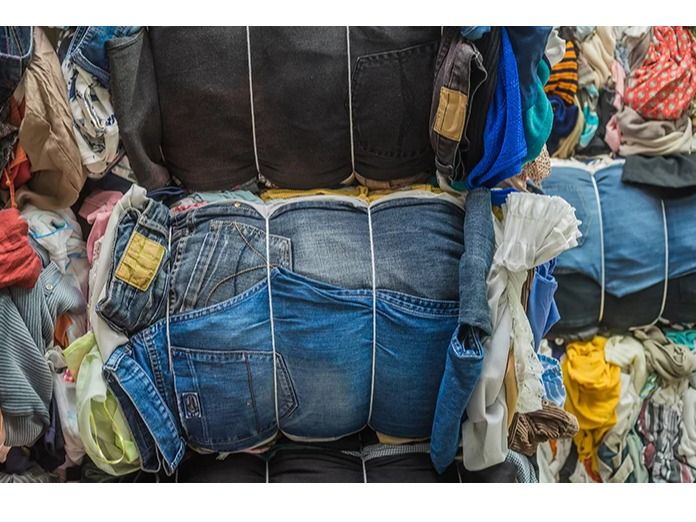
It's estimated 40% of the textile waste stream is comprised of blended garments, however blended waste stream recycling is less technologically developed than other textile-to-textile recycling technologies, with a need for investment and R&D into blended fibre recycling. Australia-based Blocktexx has developed a patent pending process that combines chemical recovery technology and advanced manufacturing to separate and recycle polyester and cotton blends.
BlockTexx is now in the process of finalising their first recycling plant in Australia, where it's estimated that they will recycle 4,000 tonnes of textiles in their first year, create up to 30 new full-time jobs and up to $43 million economic impact to the local area. Their ambition is to recycle 50,000 tonnes of textiles over the next four years.
Problem
Approximately 100 billion garments a year heading to landfill in part because of an inability to recycle blended fibres such as polycotton. It is estimated that 40% of the textile waste stream is comprised of blended garments. Of the current textile recyclers in operation today, most can only recover and recycle one material. However much of the clothing created today is compiled from blended fibre, with the polyester-cotton the most commonly produced by the fashion industry.
Solution
BlockTexx's proprietary technology OFT (separation of fibre technology) is able to successfully able to reclaim 98% of resources from cotton and polyester garments. This process combines chemical recovery technology and advanced manufacturing to separate and recycle polyester and cotton blends.
The recovered PET is polymerised to create virgin-quality S.O.F.T. branded rPET plastic pellets and polyester fibre suitable for use in textiles, packaging, building products. While the recovered cellulose is processed to create S.O.F.T. branded cellulose powder for use in many industries such as textiles, pharmaceuticals and food.
Outcome
The immediate benefit of fabric recycling is to divert increasing amounts of waste from landfill. While Long-term recycling can reduce the industry’s reliance on resource-intensive production methods used to make new fabrics. Cotton requires vast quantities of water, while polyester is made from petroleum and takes up to 1,000 years to biodegrade.
BlockTexx is now in the process of finalising their first recycling plant in Queensland, Australia, where it's estimated that they will recycle 4,000 tonnes of textiles in their first year, create up to 30 new full-time jobs and up to $43 million economic impact to the local area. Their ambition is to recycle 50,000 tonnes of textiles over the next four years.
Location
Industries
Involved organisation(s)
Attachments and links
Contributors
Owner
Contributor
Date added: Aug 19, 2021
Last updated: Sep 2, 2021
More from the contributors


Add your content
Strengthen the circular economy knowledge base by adding a report, case study, publication, or other resource to our platform!