Explore by topic
Asahi Kasei: 'Bemberg' a regenerated cupro fibre made from cotton by-product
Last updated: Sep 2, 2021
Summary
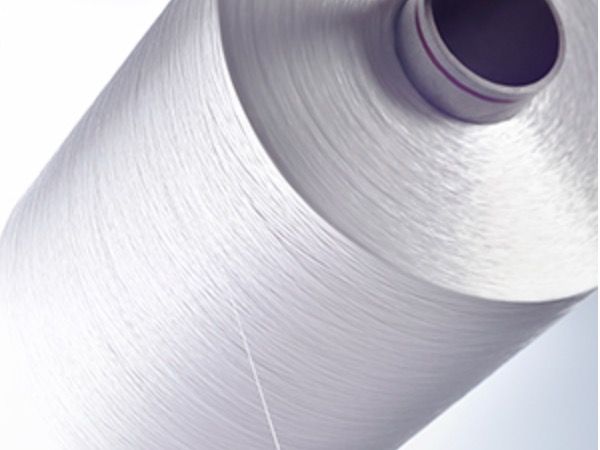
Asahi Kasei is a Japanese chemical producer who started producing a GRS-certified cupro fibre called 'Bemberg'. This fibre is made from 100% pre-consumer waste; cotton linter, a by-product that's removed when extracting cottonseed oil. It has a wide variety of applications such as lining, underwear and activewear with a production capacity of 17,000 tonnes annually.
Problem
Often regenerated cellulose fibres are produced using wood from endangered or ancient forests, contributing to the climate and biodiversity crisis.
Solution
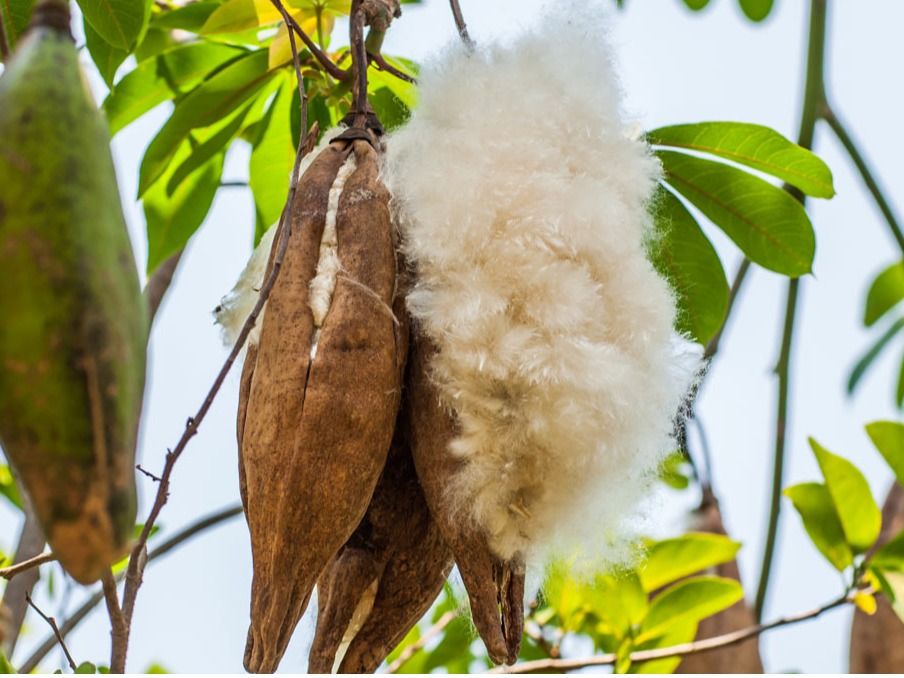
Asahi Kasei has developed a technology to produce a performing regenerated cellulose cupro fibre from cotton linter, registered as Bemberg. The cotton linter is a pre-consumer waste by-product of the cotton plant, the part discarded when cottonseed oil is extracted. The cotton linter is then refined and spun into fine filament and staple yarns and, according to Asahi Kasei, surpasses cotton in comfort. On-site power generation facilities mean that 40% of Asahi Kasei's energy is renewable and derived from hydropower and biomass sources. Asahi Kasei has also achieved almost zero emissions by upcycling fibre waste from Bemberg manufacturing to produce fuel used to power its plant. Asahi Kasei also uses Bemberg waste to create mushroom beds and work gloves.
Outcome
Location
Industries
Involved organisation(s)
Key elements of the circular economy
Attachments and links
Contributors
Owner
Contributor
Date added: Sep 2, 2021
Last updated: Sep 2, 2021
More from the contributors




Add your content
Strengthen the circular economy knowledge base by adding a report, case study, publication, or other resource to our platform!