Explore by topic

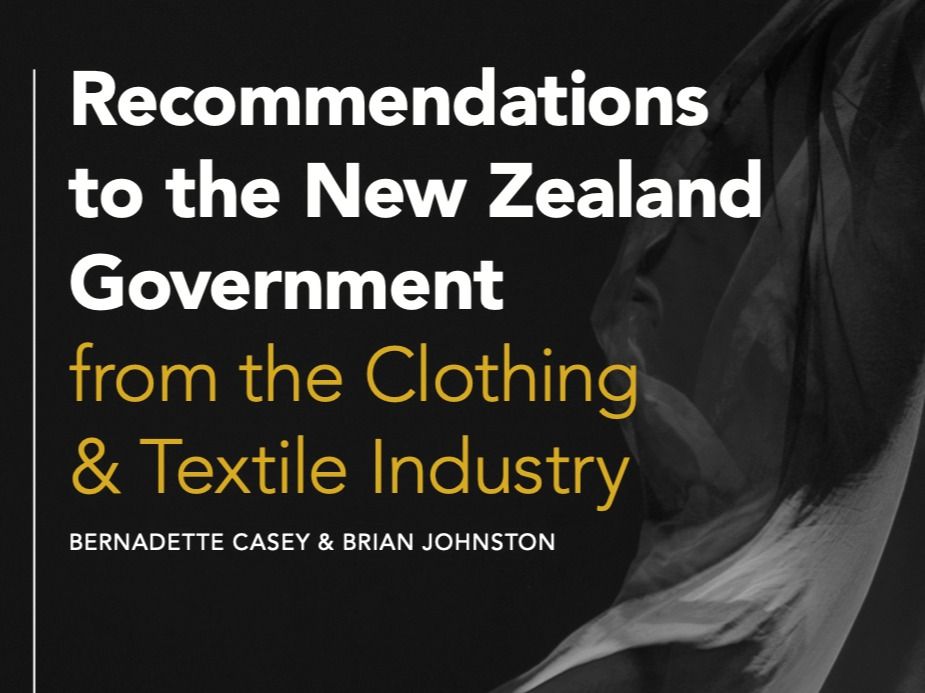
Usedfully – Textile Reuse Programme: Recommendations to the New Zealand Government from the Clothing & Textile Industry
Last updated: Mar 8, 2023
Summary
Urgent action is needed to address climate change, the industry is facing growing expectations from customers and society alike. However, no one company, nor one brand can adequately address the challenges the world faces. During 2020 and 2021 Usedfully undertook consultations with over two hundred industry stakeholders participating in workshops, working groups and individual interviews to co-design a low carbon, circular future for the sector.
Problem
There are numerous challenges across the textile value chain, however, the Recommendations to the New Zealand Government from the Clothing & Textile Industry focuses on three key areas of impact onshore in Aotearoa.
1. The overconsumption of clothing and textiles is escalating global greenhouse gas emissions and water pollution. Carbon emissions arise throughout the textile value chain, while up to 87% of micro plastic water pollution in Auckland stems from clothing fibres.
2. Textile waste squanders valuable resources that emit greenhouse gases in landfills. Missed opportunities to divert textiles from landfill perpetuate the environmental impacts and maintain the use of raw materials.
3. There is a lack of onshore solutions and, therefore, a reliance on local landfills and exports of textile waste.
Solution
The following six actions were identified through consultation workshops, working groups and individual interviews with New Zealand’s clothing (both personal and commercial) and textile (home and commercial) industry, as key steps the New Zealand Government can take to solve the three key areas of impact locally.
1. Government procurement contracts to include the requirement and budgets for end-of-life processing of textiles and clothing (minimal action).
2. Review of the priority products for diversion from landfill to include synthetic textile products in plastics category and natural fibres textiles and clothing in organics category (minimal action).
3. Co-investment in crucial regional circular resource processing plants and infrastructure (transitional action).
4. Mandated product stewardship responsibility contribution (levy) on all textile products brought to market (transitional action).
5. Explore incentives to catalyse the transition to a circular textiles economy (leadership action).
6. Ban all textiles from landfill (leadership action).
Outcome
Following the delivery of these recommendations to the New Zealand Government, an industry and government event was planned. Hosted by the New Zealand Government at Parliament, a discussion of these recommendations is to take place with a view to identify potential immediate, pragmatic steps to drive progress toward a circular textile economy. Unfortunately, COVID-19 has resulted in this event being postponed twice and now pushed out until 2022. In the meantime, as a low carbon clothing system, Usedfully is continuing to work with industry partners to design and test circular clothing and textile solutions, bringing more willing collaborators onboard, and raising awareness of the impacts among citizens and organisations, as well as decision-makers in Government.
Location
Industries
Involved organisation(s)
Attachments and links
Contributors
Owner
Contributor
Contributor
Date added: Oct 6, 2021
Last updated: Mar 8, 2023
More from the contributors






Add your content
Strengthen the circular economy knowledge base by adding a report, case study, publication, or other resource to our platform!