Explore by topic

Food waste to omega-3
Last updated: Jun 9, 2026
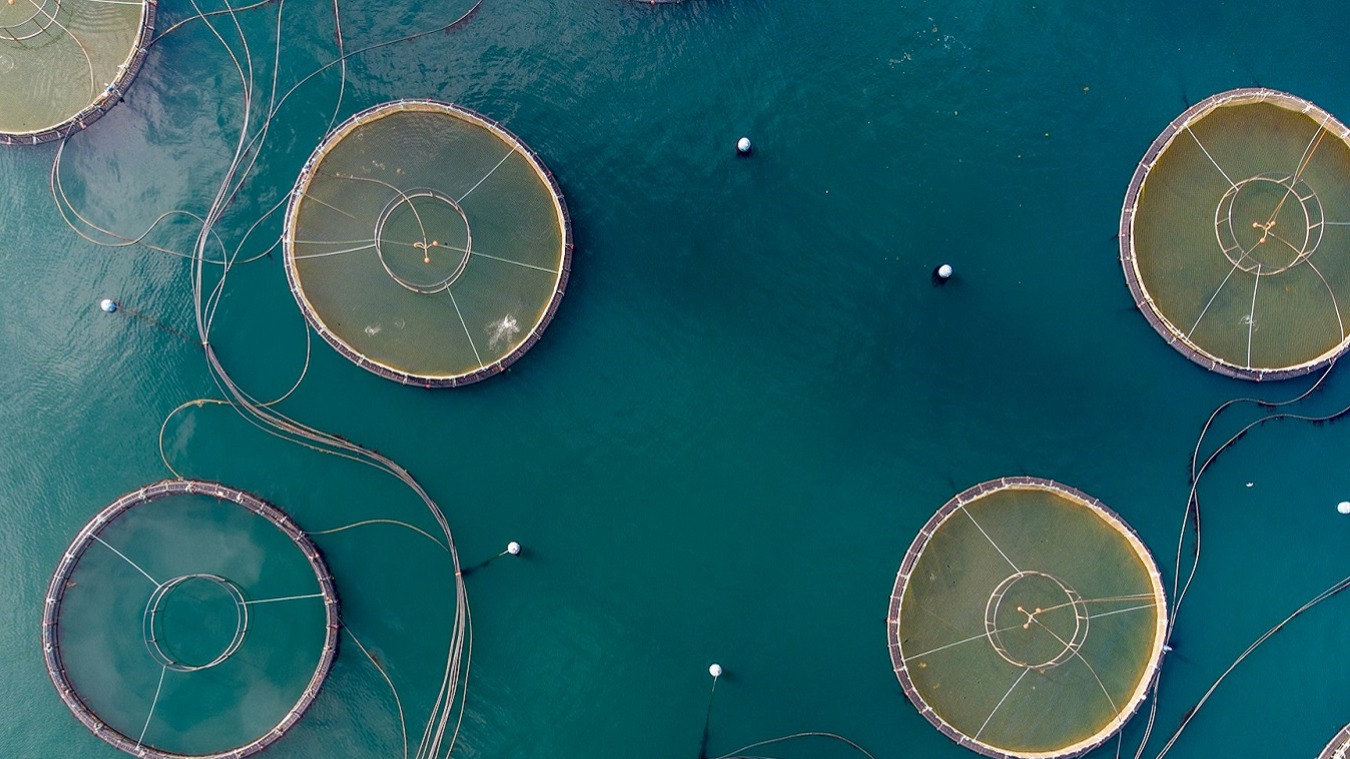
Photo from Unsplash
Summary
This project based in Norway develops a circular solution that converts food waste into a liquid fermentation medium used to cultivate micro-algae rich in omega-3 oils. The resulting oils are designed to serve as a sustainable alternative to fish oil, which is currently the primary source of omega-3 in aquaculture feed.
Problem
The global demand for omega-3 oils continues to grow, driven largely by aquaculture, where fish oil remains the dominant feed source. However, fish stocks are under pressure, and the availability of fish oil is limited, creating both ecological constraints and supply chain vulnerabilities. Norway in particular relies heavily on imports to meet its demand for omega-3 feed inputs.
At the same time, large volumes of food waste are generated across households, industry, and retail, much of which is still treated as low-value output through composting or other forms of recovery with limited economic return. This represents a loss of embedded nutrients and organic material that could otherwise be valorised into higher-value applications. The challenge lies in linking organic waste streams to scalable biochemical processes that can replace resource-intensive and environmentally constrained inputs such as fish oil, while also reducing the environmental footprint of waste management systems.
Solution
The project addresses this challenge by transforming food waste into a liquid growth medium that supports controlled fermentation processes. This medium is used to cultivate micro-algae that are naturally rich in omega-3 fatty acids, providing a renewable alternative to fish-derived oils.
In collaboration with local waste management providers, food waste is collected and processed into a nutrient-rich input suitable for industrial fermentation. This approach enables the recovery of valuable organic compounds from waste streams that would otherwise be underutilised. The resulting micro-algae oils can be used in aquaculture feed, reducing dependence on imported fish oil while maintaining nutritional performance. By integrating waste valorisation with biotechnology, the solution creates a circular pathway that links organic residues to high-value protein and feed markets.
Outcome
The project demonstrates significant environmental and economic benefits by replacing conventional waste treatment pathways with high-value biochemical recovery. Compared to composting, the process achieves substantial reductions in greenhouse gas emissions, lowering impacts from approximately 208 kilograms of CO2 per tonne of food waste to around 3.41 kilograms CO2 per tonne.
In addition to emissions reductions, the solution reduces waste management costs and strengthens circular resource use by transforming food waste into a feedstock for omega-3 production. This helps reduce pressure on marine ecosystems by lowering demand for fish oil and contributes to more resilient aquaculture supply chains. Overall, the initiative illustrates how biological processes and waste valorisation can be combined to create circular solutions that link food systems, waste management, and aquaculture. It provides a scalable pathway for turning organic waste into high-value nutritional inputs while reducing environmental impacts across multiple value chains.
Location
Industries
Involved organisation(s)
Key elements of the circular economy
Attachments and links
Contributors
Owner
Date added: Jun 9, 2026
Last updated: Jun 9, 2026
More from Circle Economy

Add your content
Strengthen the circular economy knowledge base by adding a report, case study, publication, or other resource to our platform!