Explore by topic

Paris – RE-Label, a local certification of circularity
Last updated: Jun 14, 2022
Summary
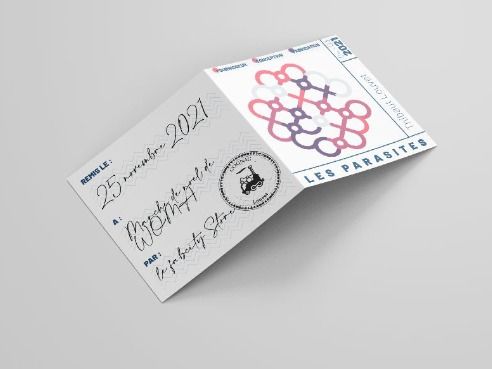
One of the outcomes of Paris’ participation in the REFLOW project is the development of a new certification, RE-Label, of objects and furniture, which promotes and recognises circular practices of the local craftsmanship communities across France.
Problem
For the last couple of decades, Paris has been a frontrunner when it comes to sustainable growth and resource recovery and is responding to the need for material reuse, as well as the social demand for locally and sustainably produced items. Paris is aiming for a reduction of CO2 emission by 100% by 2050. This growing sector is, however, lacking standardised recognition and verification. On an international scale, certificates are common ways to ensure sustainable production, but such international labels are often out of reach for smaller makers, operating on a local or even neighbourhood level. RE-Label provides both a more approachable certification that can be adapted to local needs and support for artisans aiming to become more circular in their production.
Solution
RE-Label enables local makers to coordinate their work regarding reuse and recycling. RE-Label offers local makers and workshops, using wood as their main material, a territorial community of stakeholders to share their sustainable practices. The animation and registration of the territory is led by one of the stakeholders of the potential community. This can be private actors or public local authorities such as municipalities, urban communities, departments, or regions. Makers, who wish to promote and evaluate their range of eco-responsible objects, can join the RE-label community in their territory to increase their network. Manufacturers can discover suitable partners to interchange wood scraps and support a circular use of material and waste reduction. The local community further functions as an inspiration for re-use practices in the area and invites makers to share their own practices. Further, the toolbox of RE-label enables makers to generate labels, certifying the circularity of their products and promoting their sustainable way of production. Makers in the RE-label community valorise their work through the local community and the certified RE-label. Larger workshops or businesses can use the territorial community to single out tasks to smaller makers through bringing together tools and methods that facilitate cooperation between manufacturers in the region.
RE-Label is an experimentation based on the observation and qualification of practices within each workshop, which is continuously assessed over time. The protocols are iterated in close collaboration with the actors of the territory to propose a method and simple, accessible tools.
The development of the RE-label relies on the work and expertise associated with the REFLOW program: City of Paris, Fab City Grand Paris association, and the Volumes co-working company.
Outcome
Through connecting local stakeholders as well as focusing on territorial branding, Paris highlighted the relevance of local maker communities interacting in a circular and sustainable way. Focusing on short supply chains and valorisation of local manufacturing makes RE-label replicable in other European member states.
Location
Industries
Key elements of the circular economy
Attachments and links
Contributors
Owner
Contributor
Contributor
Date added: Feb 16, 2022
Last updated: Jun 14, 2022
More from the contributors








Add your content
Strengthen the circular economy knowledge base by adding a report, case study, publication, or other resource to our platform!