Explore by topic

BioPuff by saltyco®: A plant based alternative to polyester fillings and animal down through regenerative wetland agriculture
Last updated: Apr 11, 2023
Summary
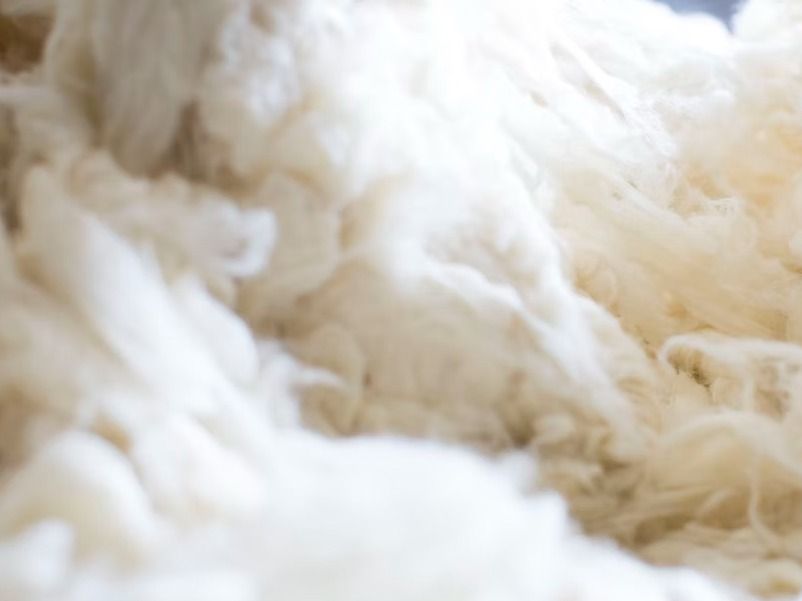
Saltyco® created BioPuff®, a plant-based filling and insulating material designed to be lightweight, warm, naturally water repellent and biodegradable. The biodegradable filling resembles animal down in structure and is created by growing plants using regenerative wetland agriculture.
Problem
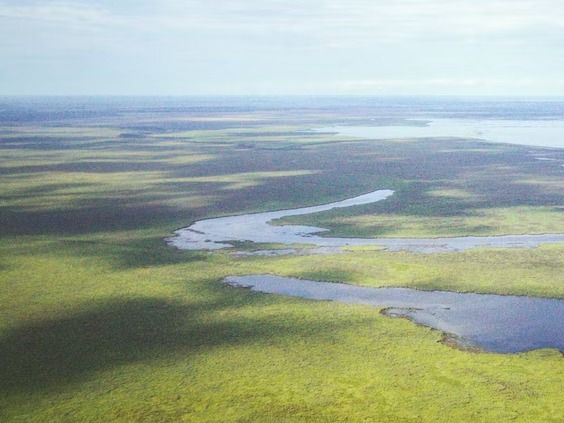
Peatlands sequester and store 3-5% more carbon than any other terrestrial land or forest. They act as as large carbon sinks and can be damaged by agriculture as traditional farming disrupts the carbon storage and can require high levels of fresh water and chemicals to grow plants efficiently. Currently, about 16% of the world’s peatlands are drained for industrial agriculture and grazing of animals. This process causes the carbon to dry and oxidize into CO2 that is then released into the atmosphere, causing 10% of all annual fossil fuel emissions.
How can we heal Peatlands?
Solution
In the production of BioPuff, Saltyco® follows agricultural practices designed specifically for each project to help the environment flourish.
Paludiculture is the practice of farming on wetlands, such as rewetted peatlands, bogs and fens.
Conservation agriculture restores natural ecosystems by removing invasive crops to promote biodiversity and soil health.
By re-wetting damaged and drained peatlands and responsibly growing native plants, Saltyco® are able to restore these crucial ecosystems, protect their unique biodiversity, and sequester large amounts of carbon from the air.
Outcome
BioPuff® is grown using techniques that respond to exactly what each natural environment requires to heal, to create the most impact when the plant material is grown.
Each jacket filled with BioPuff® can save up to 30 geese for an animal based equivalent or reduce petroleum use by 70% compared to a synthetic insulating material. The manufacturing and green chemistry can save up to 25L of drinking water. The filling is also easy to compost and biodegrade at end-of-life because it is made from plant based materials and lacks man-made chemicals.
Location
Industries
Involved organisation(s)
Key elements of the circular economy
Attachments and links
Contributors
Owner
Contributor
Contributor
Date added: Aug 9, 2022
Last updated: Apr 11, 2023
More from the contributors








Add your content
Strengthen the circular economy knowledge base by adding a report, case study, publication, or other resource to our platform!