Explore by topic

Recycling wool for to keep animal fibres in circulation
Last updated: Mar 22, 2023
Summary
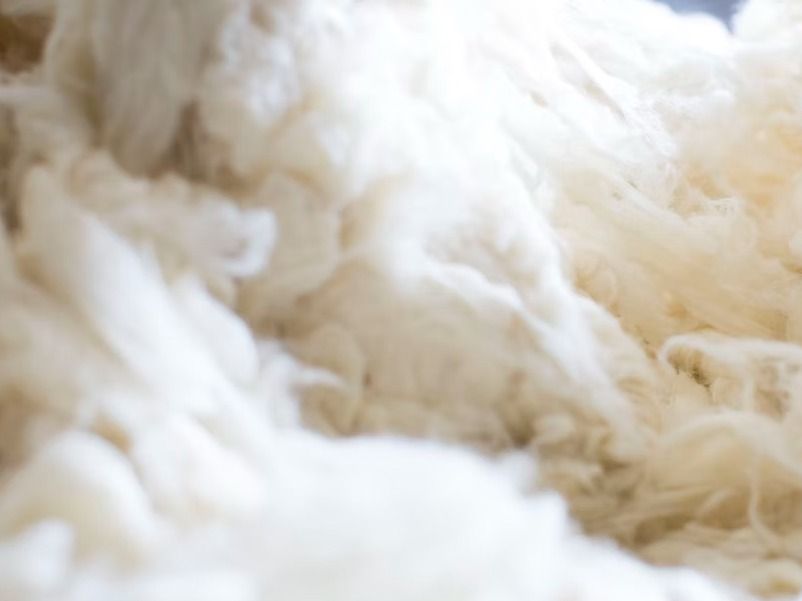
iinouiio (pronounced ‘in-oo-e-o’) specialise in converting post-consumer wool and cashmere waste into useable fibres, yarns and fabrics in the UK. They promote responsible textile materials and production methods by using discarded textiles. In 2022, they began working with Camira Yarns in Huddersfield, Yorkshire on their first wool and luxury fibre recycling line.
Problem
The production of animal fibres like wool and cashmere requires livestock which can lead to land use, resource depletion and animal rights violations. Discarded knitwear in the UK takes the animal fibre out of circulation and prevents further use.
Solution
When discarded wool fibres are put to further use, the environmental impact from those fibres is lessened. iinouiio take discarded knitwear in the UK is sorted into shades to recycle fibres by colour and avoid extra processing with dye removal and re-pigmentation. The knitwear is shredded, or pulled, back into a semi-fibrous condition for blending. The fibres are blended and carded to mix and refine before spinning into yarn. The recycled yarn can be knitted or woven into new fabrics.
As well as converting high-value fibres from waste into new yarns, iinouiio keep all the buttons, labels and linings from the recycled products in circulation.
Outcome
Recycled wool made in the UK can offer savings in energy, water and pollution from. Fresh water consumption and effluent production are reduced because processes such as raw wool scouring and dyeing do not need to be repeated.
Old wool garments, synthetic garments and factory waste taken to landfill decompose to produces methane - a greenhouse gas. Recycling wool reduces methane production because less material goes to landfill sites and old garments will not decompose.
Location
Industries
Involved organisation(s)
Key elements of the circular economy
Attachments and links
Contributors
Owner
Contributor
Date added: Aug 24, 2022
Last updated: Mar 22, 2023
More from the contributors





Add your content
Strengthen the circular economy knowledge base by adding a report, case study, publication, or other resource to our platform!