Explore by topic

Zero Waste Kids Fashion By Firebird
Last updated: Apr 11, 2023
Summary
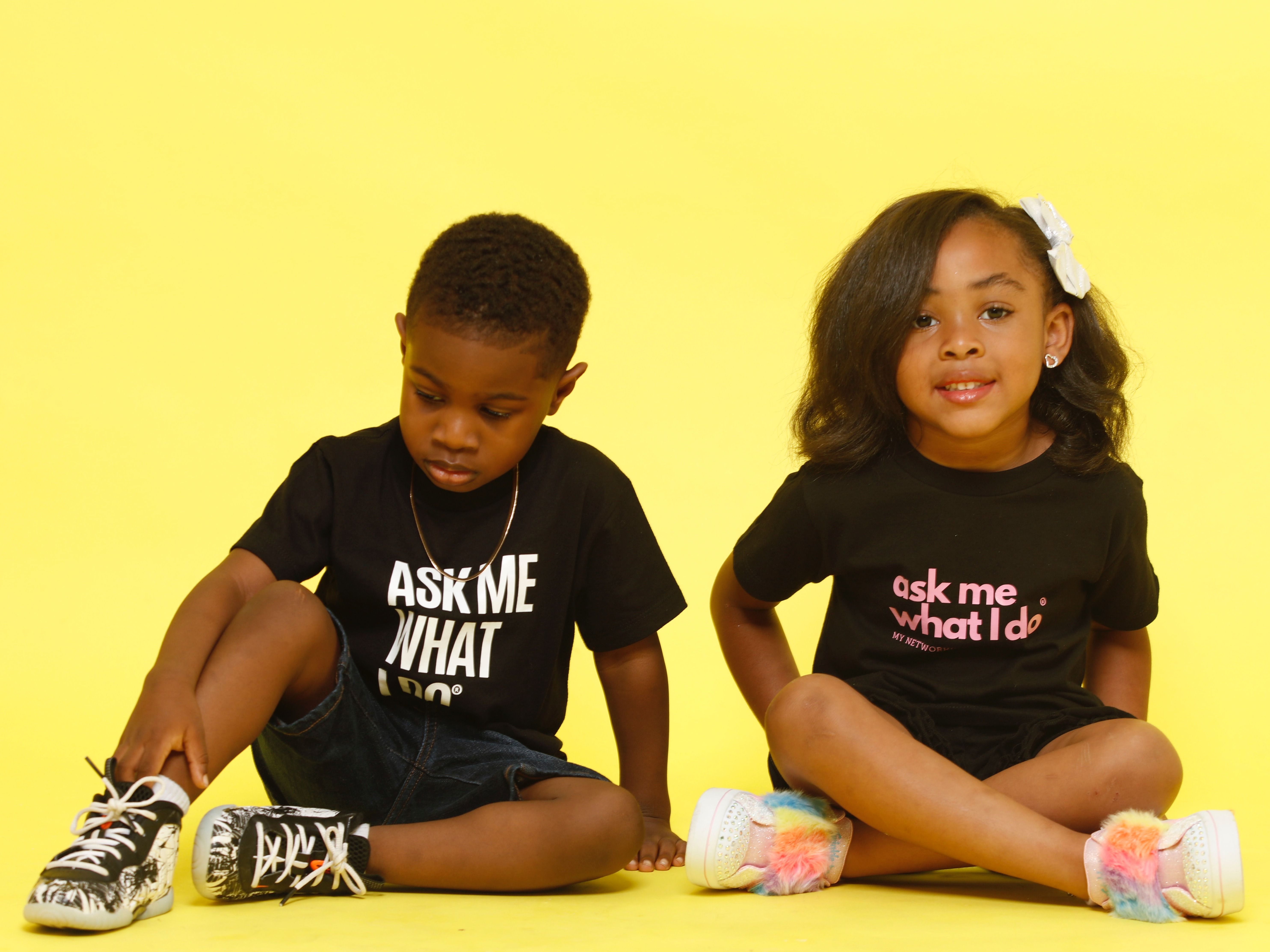
Firebird, a US-based kid's fashion brand is challenging fast fashion through its mission Zero Waste kid’s Fashion by offering resale programs for consumers to find affordable eco-friendly children's clothing and providing a way to rehome any outgrown garments.
It helps you create a digital shopping experience by offering modern yet timeless designs and improving quality and sustainability.
The brand is fulfilling its mission of zero waste in the environment.
Problem
Kid apparel has always been expensive, creating consumer doubt about buying them as it would be a total waste in a few years as kids grow up very fast. But ever since the concept of Fast Fashion, a toxic system of overproducing cheap and low-quality clothes forges shopping as an episodic event.
The overconsumption of this low-quality apparel does not last, leading to more waste of material, money, and closet space, making it one of the reasons to be the largest polluter in the world.
Solution
Firebird is challenging fast fashion through their mission Zero Waste kid Fashion by offering outgrown pieces a second (or third, or fourth!) life through their signature Pass It On.
According to them, 73% of apparel is sent to landfills, which could be reused or recycled by manufacturing it sustainably, leading to the creation of a resale platform where consumers can find affordable eco-friendly children's clothing.
The products they offer are modern yet timeless designs that cover high-quality standards and are certified organic cotton that last multiple washes, reducing the problem of fast fashion in the economy and promoting consumers to a more circular and sustainable consumption model
Outcome
Firebird mission Zero Waste hopes to reduce the impact on the environment as they reduce energy consumption, save resources, and keep waste out of landfills and pollution. In addition, they promote circular consumption of products by ensuring that the products are sustainably sourced and manufactured and support the people who produce them.
Location
Industries
Involved organisation(s)
Key elements of the circular economy
Attachments and links
Contributors
Owner
Contributor
Date added: Aug 25, 2022
Last updated: Apr 11, 2023
More from the contributors




Add your content
Strengthen the circular economy knowledge base by adding a report, case study, publication, or other resource to our platform!