Explore by topic

Advancing Frisian Regenerative Agriculture: A Business-Led Transition
Last updated: Apr 17, 2025
Summary
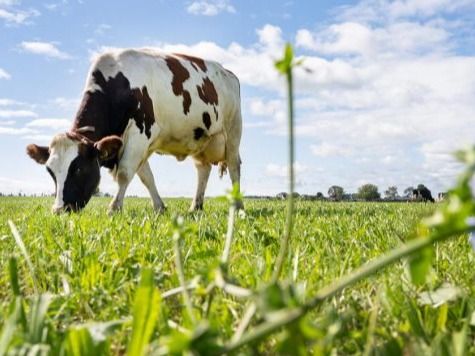
The transition to regenerative agriculture in Friesland is being driven by key stakeholders, including the University of Groningen, FrieslandCampina, and local farmers. With support from research initiatives and government subsidies, this approach aims to restore soil health, increase biodiversity, and enhance the resilience of the agricultural sector. Regenerative practices not only improve environmental sustainability but also offer economic benefits to farmers and businesses by reducing dependency on synthetic inputs and strengthening local food systems. This case highlights how FrieslandCampina and academic institutions are facilitating the shift towards regenerative agriculture through collaboration, research, and financial incentives.
Problem
Conventional farming methods have contributed to soil degradation, biodiversity loss, and increased reliance on artificial fertilisers and pesticides. These challenges threaten long-term agricultural productivity and environmental health, making it essential to adopt farming practices that work with natural ecosystems rather than depleting them. Farmers face financial and technical barriers in transitioning to more regenerative and circular methods, requiring institutional support and investment in knowledge-sharing initiatives.
Solution
To address these challenges, FrieslandCampina and several research institutions are working together to promote regenerative agriculture through a combination of research, financial support, and policy engagement. The University of Groningen and other academic institutions play a key role in providing research and training to equip farmers with the knowledge needed to implement regenerative techniques. Financially, government subsidies and FrieslandCampina’s incentive programmes help ease the transition by covering initial costs and reducing the financial risks associated with adopting new practices. On the ground, regenerative farming techniques such as crop rotation, cover cropping, and reduced tillage contribute to improved soil health, increased carbon sequestration, and enhanced natural fertility. Additionally, agroforestry and landscape diversification efforts support pollinators and other beneficial organisms, strengthening ecosystem stability. Collaboration with policymakers ensures that regenerative principles are integrated into agricultural policies and business models, providing long-term support for sustainable farming.
Outcome
The transition to regenerative agriculture in Friesland holds the potential to lead to multiple positive outcomes. If successful, improvements in organic matter content and microbial activity could enhance soil fertility and resilience, contributing to healthier soils. A reduced reliance on artificial fertilisers and pesticides may lower pollution levels and greenhouse gas emissions, thereby decreasing the environmental impact of farming.
Economic incentives and knowledge-sharing networks could strengthen farmer resilience, allowing them to adopt sustainable practices without sacrificing productivity. Additionally, if ecosystems are restored, biodiversity may increase, supporting wildlife, pollinators, and beneficial insects that are crucial for sustainable farming.
Friesland's regenerative agriculture model also holds significant scalability potential, offering a promising example that could be expanded across the Netherlands and beyond.
Key elements of the circular economy
Attachments and links
Contributors
Owner
Date added: Mar 31, 2025
Last updated: Apr 17, 2025
More from the contributors




Add your content
Strengthen the circular economy knowledge base by adding a report, case study, publication, or other resource to our platform!