Explore by topic

Taylor Stitch: Restitch - a new clothing resale platform with a focus on repair
Last updated: Aug 22, 2021
Summary
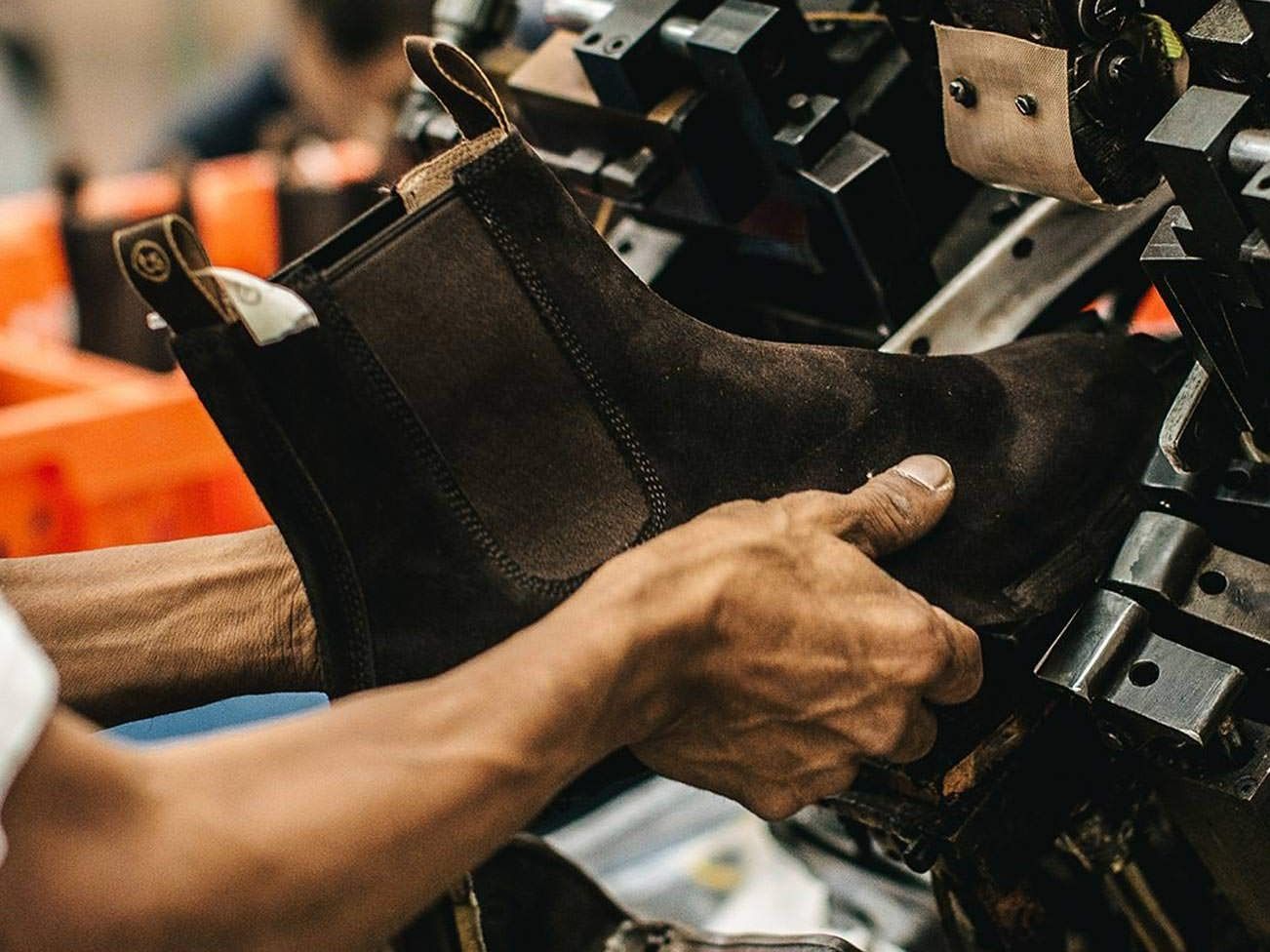
Taylor Stitch has combined their in-house repair programme and recycling service to launch Restitch, a resale platform dedicated to used and previously damaged clothing items. Note: platform currently only accepts Taylor Stitch branded clothing.
Problem
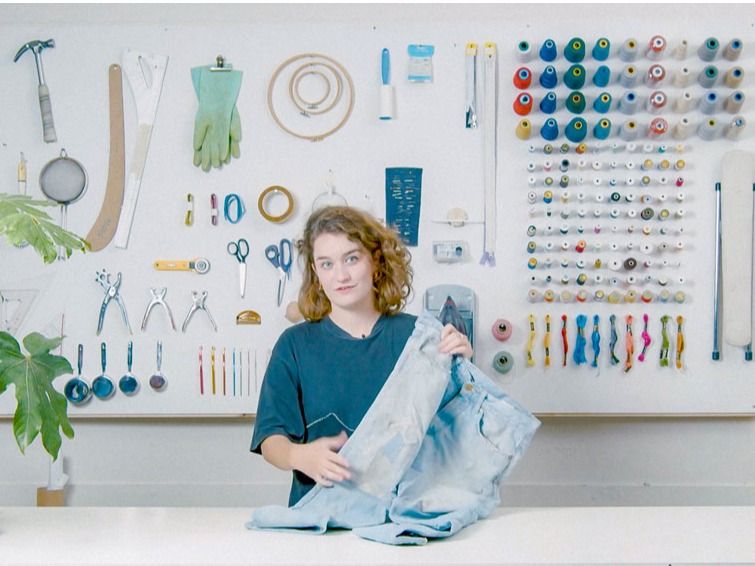
The fashion industry consumes an unsustainable amount of energy and water, with unworn and barely worn clothing disposed of at an alarming rate - Taylor Stitch estimated that 85% of all clothing ends up in landfills every year. Taylor Stitch produces clothing with the philosophy that their products "wear in not out", and wanted to ensure their products were made, used, and recycled responsibly. The company charts their responsibility through five pillars: Sourcing Responsibly, Building Responsibly, Closing the Loop, Creating a Community, and Giving Back. Within the Closing the Loop pillar, Taylor Stitch already has a free in-store repair programme, where items are guaranteed repairs for life, as well as offering customers tutorials to repair clothing themselves. But the company wanted to go further and come up with alternative solutions to clothing consumption and excessive disposal.
Solution
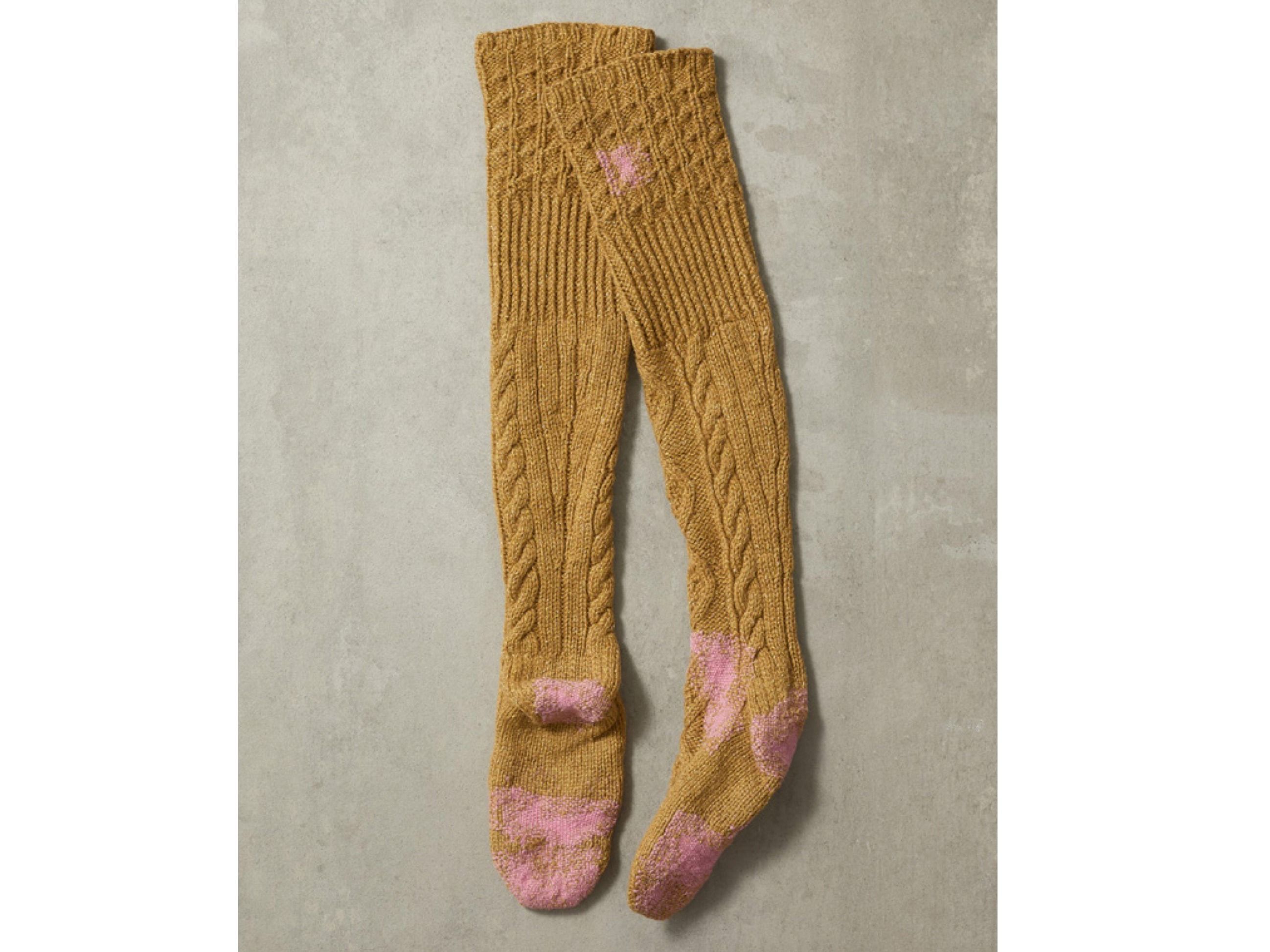
Restitch works as an online resale platform, with new collections added every few months once there is enough supply. Customers send in their worn clothing and receive up to USD$25 credit per garment, to be used on new or used Taylor Stitch items. These worn garments, along with defective pieces from factories, are cleaned and repaired. If the item is too damaged, it will be recycled through Taylor Stitch's recycling programme. Once Taylor Stitch has accumulated enough refurbished clothing, they will list them on the Restitch platform at a discounted price.
Outcome
Since its launch in 2019, Restitch has prevented 4.3 thousand products from ending up in landfills. Before the official launch, Taylor Stitch piloted the programme with 1200 items (600 pants, 600 shirts), and through the programme they collectively saved more 1.5 million gallons of water.
Location
Industries
Involved organisation(s)
Attachments and links
Contributors
Owner
Date added: Aug 19, 2021
Last updated: Aug 22, 2021
More from the contributors
Add your content
Strengthen the circular economy knowledge base by adding a report, case study, publication, or other resource to our platform!