Explore by topic

Microsilk by Bolt Threads: A bioengineered fibre inspired by spider silk
Last updated: Oct 4, 2022
Summary
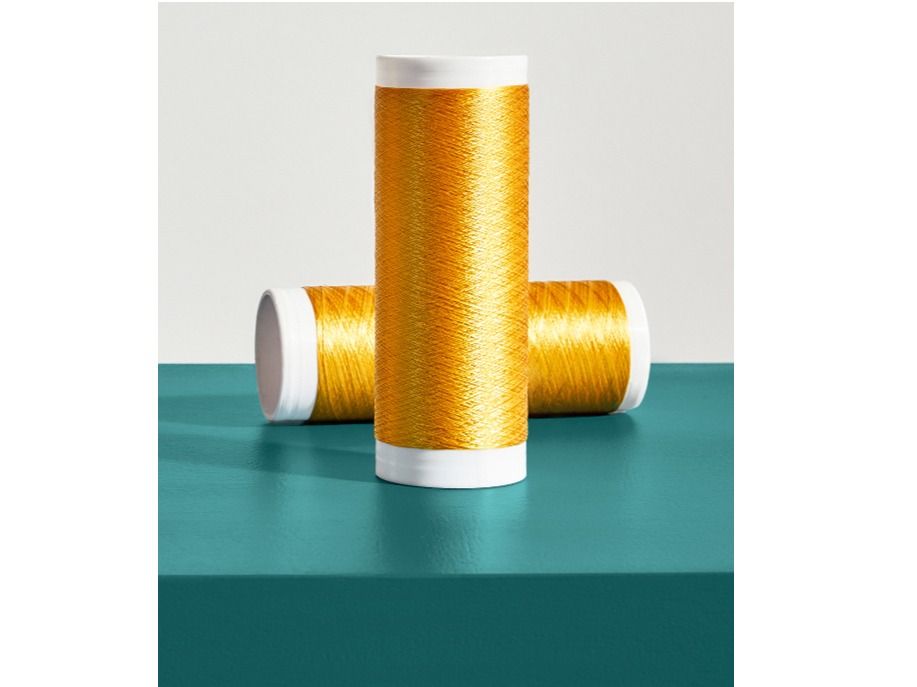
In 2012 material solutions company Bolt Threads developed Microsilk, a durable, biodegradable textile inspired by silk fibres produced by spiders. Micosilk replicates the proteins in spider silk, using bioengineering to create a scaleable fibre that has been used by brands including Stella McCartney and Addidas.
Problem
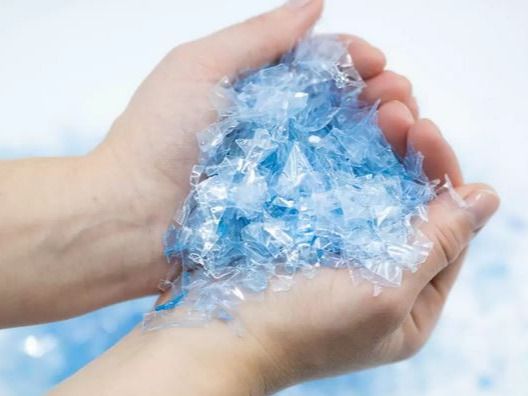
The textile industry is striving for sustainable materials that biodegrade without compromising on performance. Due to its high durability and versatility, polyester fabrics now dominate the clothing industry, with annual production exceeding 52 million metric tonnes worldwide. Despite its popularity, polyester is very detrimental to the environment, having a negative impact throughout its lifespan, from its extractive beginnings and toxic dyeing processes to polluting waterways with microplastics every wash to end of life, where it can take up to 200 years to biodegrade. A high proportion of polyester ends up in landfills or incinerated, leaching chemicals into the soil and air and contaminating waterways. While there have been biodegradable polyester alternatives produced, most cannot compete on strength and durability.
Solution
Microsilk is a bioengineered fibre inspired by spider silk's strength, durability, and performance. In 2012, Bolt Threads created Microsilk by studying the DNA of spiders silk and replicating them in a lab by creating proteins through bioengineering genes and inserting them into yeast. The proteins are made in large quantities through fermentation using yeast, sugar and water. They then go through an isolation, purification and spinning process similar to rayon and acrylic, resulting in a durable, biodegradable yarn. The technology used is scalable and, according to Bolt Threads, more sustainable than petroleum-based fibres such as polyester.
Outcome
Bolt Threads have collaborated with brands, including Stella McCartney, Adidas and Best Made Co. to create wearable garments and accessories using Microsilk fabric.
Microsilk is still in the research and development phase and doesn't have the statistics to compare its water usage with other fabrics.
Location
Industries
Involved organisation(s)
Attachments and links
Contributors
Owner
Contributor
Date added: Sep 17, 2021
Last updated: Oct 4, 2022
More from the contributors





Add your content
Strengthen the circular economy knowledge base by adding a report, case study, publication, or other resource to our platform!