Explore by topic

Recover(TM) offers handcrafted recycled cotton fibre
Last updated: Sep 9, 2022
Summary
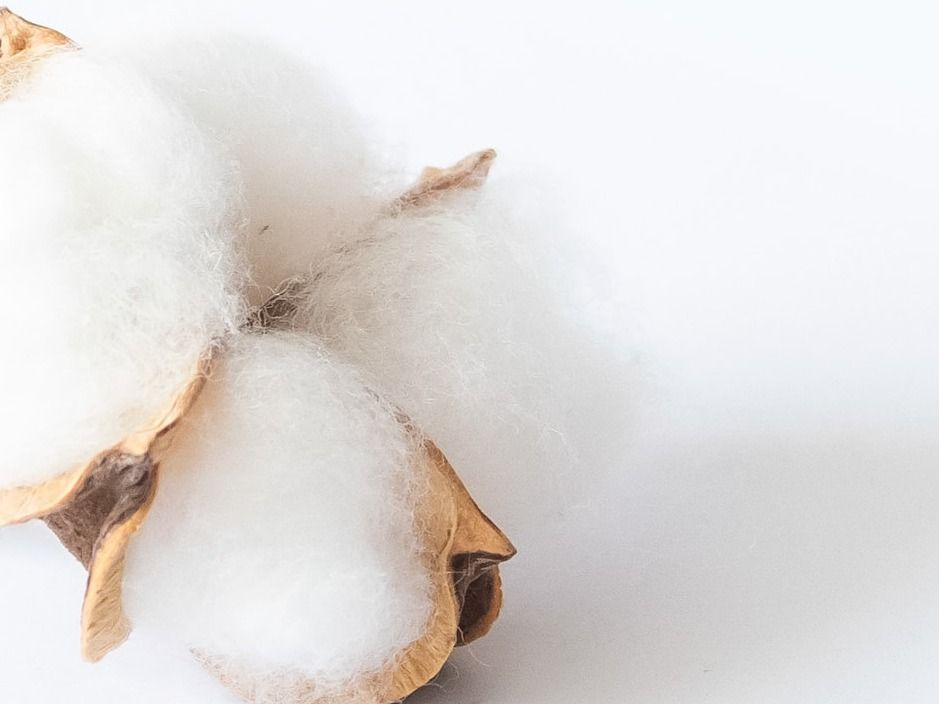
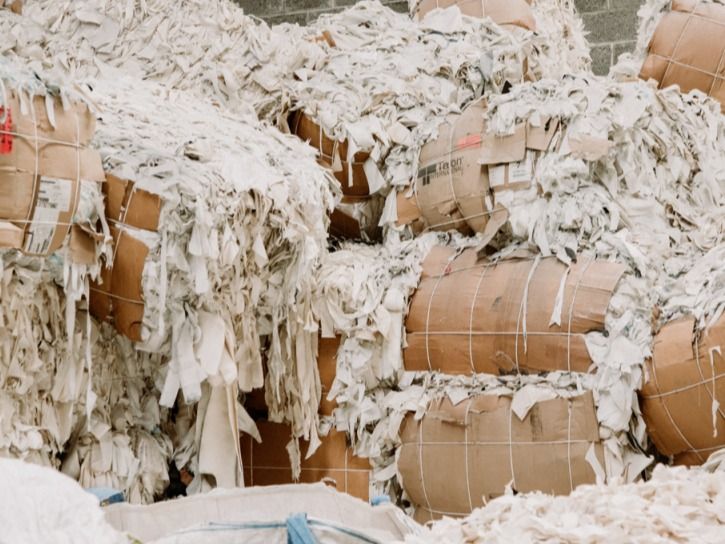
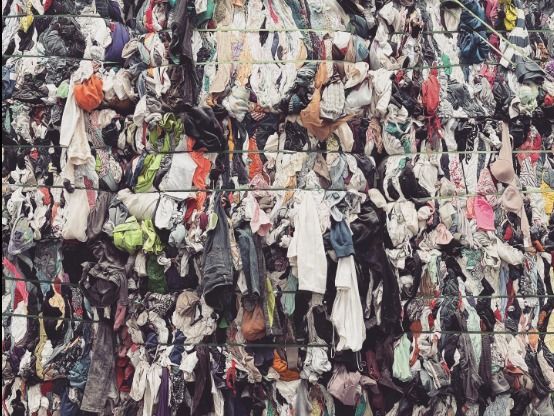
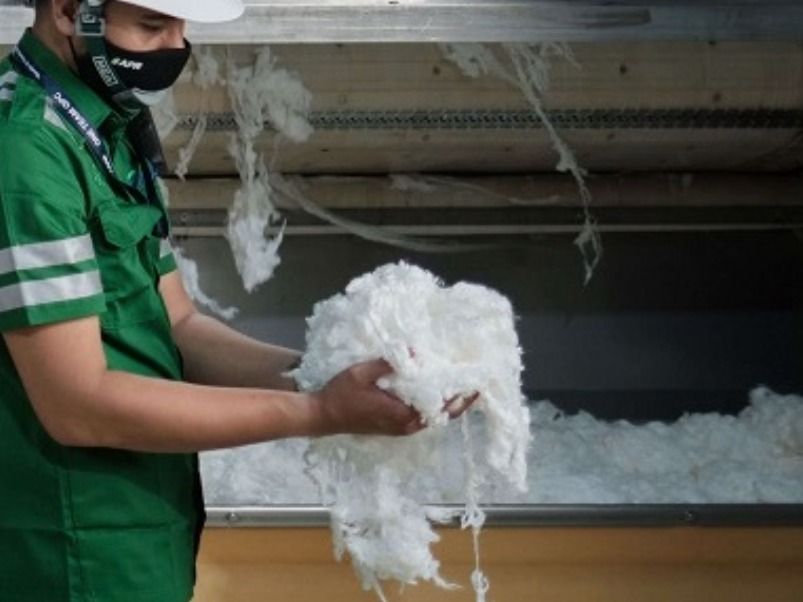
Spanish company, Recover, is a leading material sciences company and global producer of low-impact, high-quality recycled cotton fibre and cotton fibre blends that transform post-industrial and post-consumer cotton waste. Using mechanical processes, the fibres are shredded back into maximum quality fibre, thereby offering a solution to the escalating problem of textile waste, which is usually incinerated or landfilled, leading to a loss of valuable resources while causing significant environmental damage.
Problem
While popular across the fashion industry, cotton is an incredibly energy-intensive fibre to produce, requiring high levels of fertiliser and water to grow, using an estimate of 2,700 litres of water to make one cotton shirt. Escalating volumes of textile waste caused by the fast fashion movement have led to 17 million tons of textile waste ended up in landfills in 2018, representing a loss of valuable resources and materials while contributing to increasing greenhouse gas emissions through the decomposition of these garments.
Solution
Recover recycles industrial and pre and post-consumer cotton waste, replacing the need to cultivate cotton, limiting the use of dyes through its ColorBlend system, and reducing textile landfill waste. Recover uses mechanical recycling processes and proprietary technology to provide cost-competitive, maximum performance fibre for both rotor and ring spinning applications.
Process
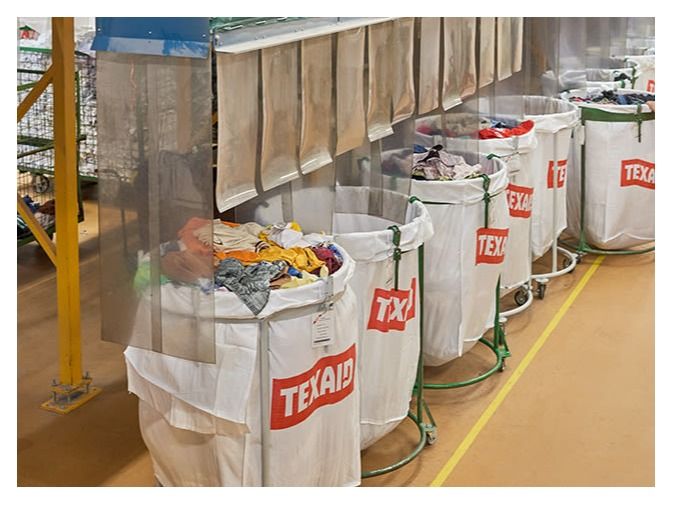
Used clothes and garment production waste are submitted for recycling
Recover™ recycled textile waste into new Recover™ fibre.
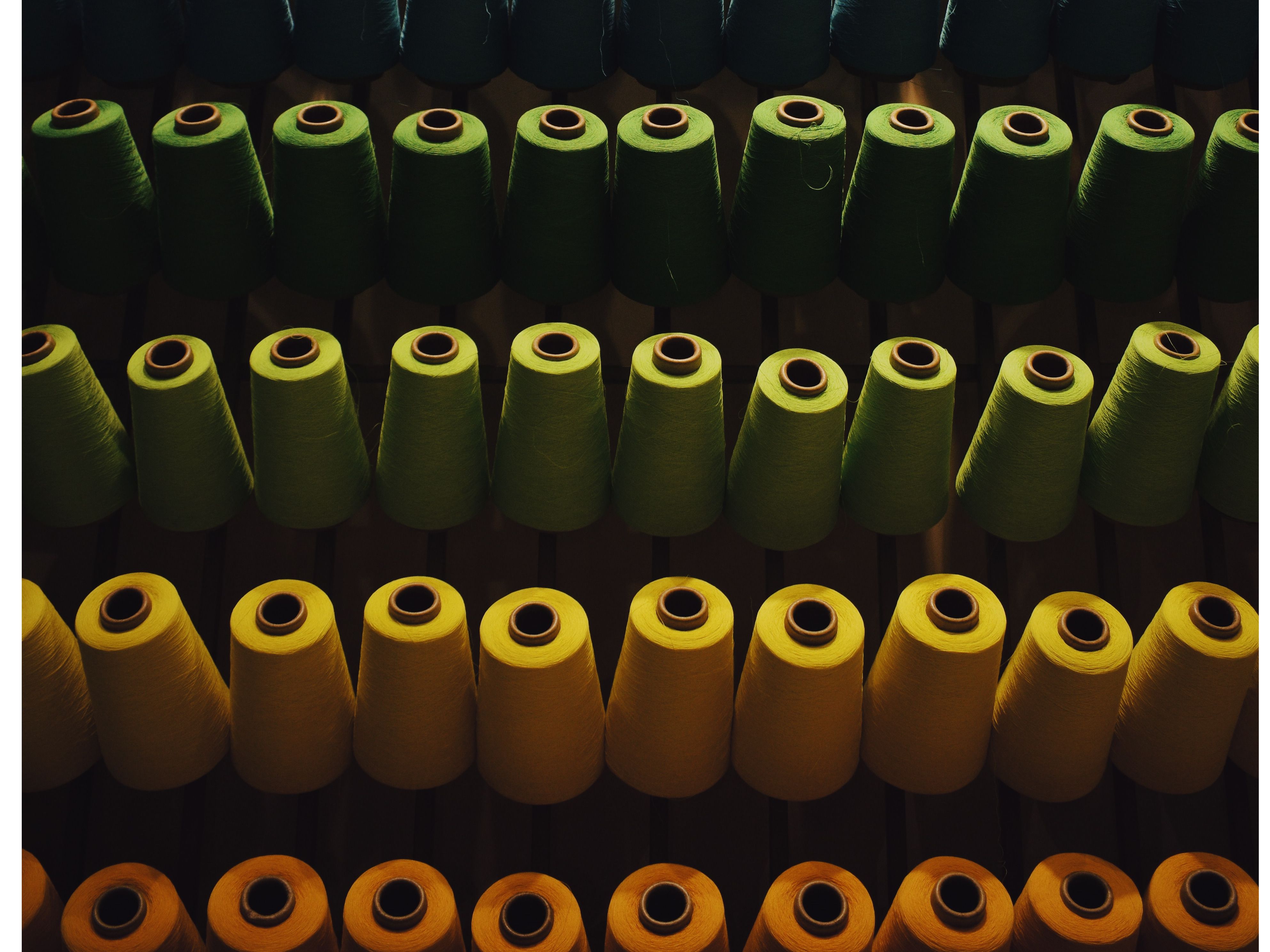
Recover™ fiber are made into new yarns.
Recover™ fiber are made into new fabrics.
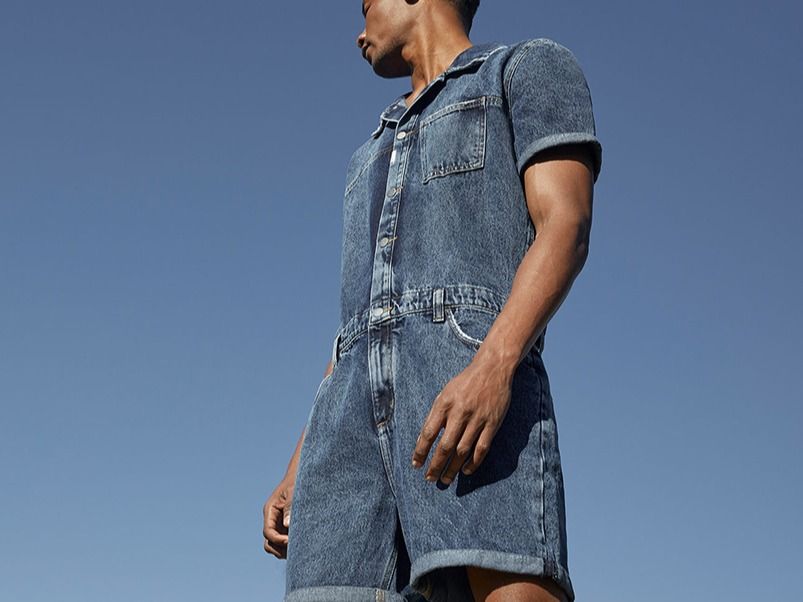
New products are created from Recover™ fabrics.
Outcome
Per the Higg Material Sustainability Index, Recover recycled cotton fibre has the lowest environmental impact score in the world.
Recover is set to increase its production to 200,000 metric tons of recycled cotton fibre per year by 2025. This will save nearly three trillion litres of water each year, equivalent to the drinking water consumed by 3 billion people on an annual basis, and allow 500,000 acres of land to be directed away from cotton cultivation for other uses.
Location
Industries
Involved organisation(s)
Key elements of the circular economy
Attachments and links
Contributors
Owner
Contributor
Contributor
Date added: Oct 1, 2021
Last updated: Sep 9, 2022
More from the contributors



Add your content
Strengthen the circular economy knowledge base by adding a report, case study, publication, or other resource to our platform!