Explore by topic

Kiabza, Second-Hand clothing: Rising trend in India
Last updated: Aug 11, 2022
Summary
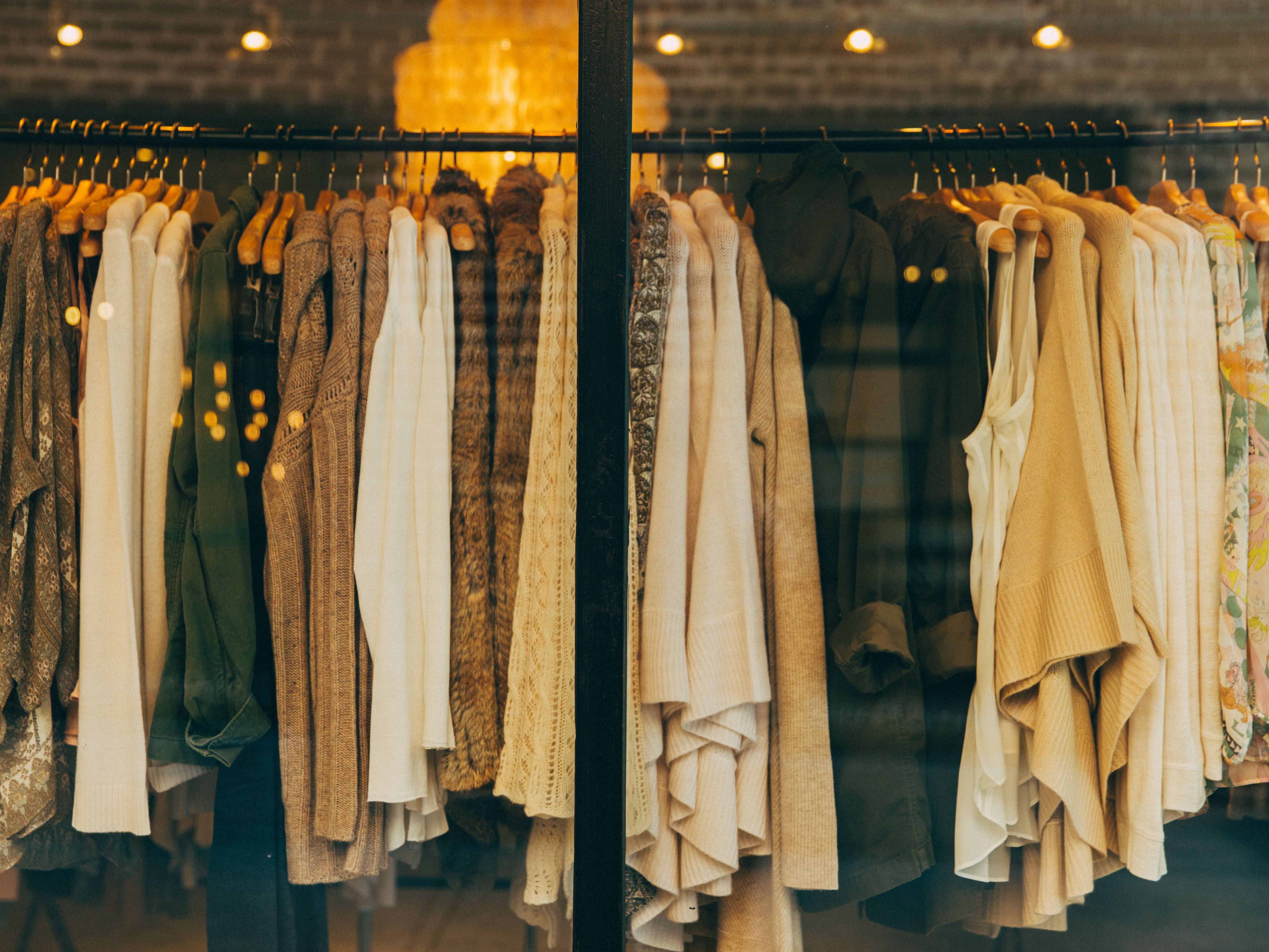
Even though the sale of second-hand clothes has been popular around the world, in India it was not favoured much. But ever since the Covid-19 pandemic started, people have become more cost-conscious, which cleared the path for online shopping platforms, such as Kiabza, selling pre-owned clothing.
Problem
In many parts of India, the taboo of buying used clothes still prevails as these clothes are not culturally acceptable, are associated with superstitious beliefs and poverty, and are perceived as unfashionable, rumpled, and dirty. These reasons lead to the prevailing habit of purchasing only new clothing, which is a detriment to the environment.
Solution
To change the habits of people, social media and internet pages can be especially handy. Online shopping pages on social media and websites drive this change by offering used clothes in a creative way, educating the general public about resale opportunities, and promoting second-hand fashion among all ages. Kiabza is one of the many examples of how the Indian second-hand clothing market is functioning. Kiabza is an online shopping website that partners with designers who upcycle pre-owned clothes creatively. The remade or "refashioned" clothing items are sent to the Kiabza, quality checked, photographed for the website, and ultimately sold. The designer is paid his fair share of the selling price. The idea is that everyone can become a designer and sell their pre-owned clothing items instead of throwing them away and contributing even more to the waste culture in fashion. Kiabza promotes second-hand clothing by spreading the message that it is lucrative for both sellers and buyers and contributes to a more sustainable world. By framing second-hand clothing creatively and originally, the website owners try to overcome the stigma that pre-owned clothing is something to avoid.
Outcome
So far, Kiabza has saved 60 tonnes of carbon footprints, 12 million litres of water, and 3 tonnes of clothes from getting dumped into landfills. In the next 5 years, Kiabza expects to save even more: 350 tonnes of carbon footprints, 1,400 million litres of water, and 7,300 tonnes of clothes from getting dumped into landfills. Current trends in India also predict that pre-owned fashion will become even more popular: The industry is assured to grow by 185 in the next decade.
Location
Industries
Involved organisation(s)
Key elements of the circular economy
Attachments and links
Contributors
Owner
Contributor
Date added: Jul 27, 2022
Last updated: Aug 11, 2022
More from the contributors



Add your content
Strengthen the circular economy knowledge base by adding a report, case study, publication, or other resource to our platform!