Explore by topic

Cooperative El Álamo: Informal recyclers ('waste pickers') cooperative in Buenos Aires
Last updated: Dec 28, 2023
Summary
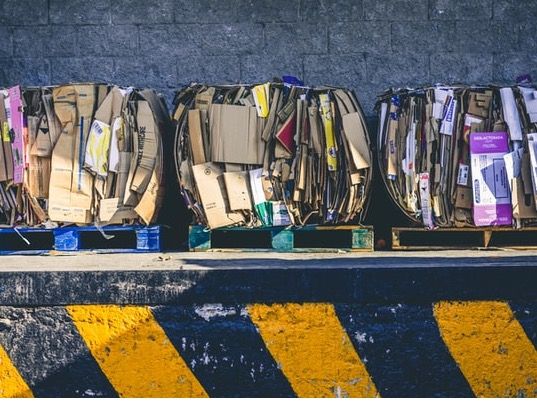
The informal recyclers ('waste pickers') have accompanied the urban development of the city of Buenos Aires since the 19th century. Thanks to them, 10% of the city's waste gets recycled. Cooperativa El Álamo is one of twelve recycling cooperatives present in the city. It was founded in 2001, as a result of the national economic crisis experienced by Argentina. Its activities include the collection, sorting, and distribution of solid waste. Through its activities, the cooperative supports people outside the traditional labour market, such as those who are unemployed or people who work informally.
Problem
Buenos Aires is the third largest city in Latin America and the biggest city in Argentina. It is also the city that produces the highest quantity of waste per capita in the country. Being a large metropolis dealing with an overpopulated metropolitan area, intensified daily by the flow of people that commute from the surrounding province for work or that visit the city for tourism, waste management is a priority. Only around 10% of waste is being recycled in the city. This figure compares to much higher rates for cities across Europe, around 40-50%.
UN Habitat data highlights that between 15% and 35% of the world’s waste is recovered by informal waste pickers. In Argentina, informal waste pickers have accompanied the urban development of the city of Buenos Aires since the 19th century. Agreements have been made between waste picker cooperatives and the city government, in efforts to formalize the work of waste pickers, but often recyclers in the area have met a lot of opposition from the government and the rest of society. Non-governmental organizations are expanding and putting more energy in the waste treatment sector, resulting in new projects with the ambition to increase the rate of recycled material.
Solution
Cooperativa El Álamo is a member of the National Federation of Recyclers (Federación de Cartoneros, Carreteros y Recicladores), and is one of the twelve cooperatives operating within Buenos Aires. Since 2010, in fact, the City of Buenos Aires has had a mixed waste collection system in which wet household waste is collected by private companies, while solid waste collection is the responsibility of waste picker cooperatives. Cooperativa El Álamo was founded in 2001, as a consequence of the national economic crisis experienced by Argentina, and due to the initiative of the residents of Villa Purreydón, a traditional middle-class neighbourhood in Buenos Aires. Its activities include the collection, sorting, and distribution of solid waste. The cooperative was funded by public resources through the laws issued in 2004 (Household Waste Management) and 2005 (Urban Waste Management, also known as Ley de Basura Cero) at the national and local level.
Outcome
In total, 7,300 tons of waste are collected daily in the city, of which 400 are considered recyclable material. Currently, El Álamo has 197 members, who are split into two work shifts and perform activities of waste pickers (also known as cartoneros), drivers, or plant operators. The waste pickers receive a base salary (USD $250), which can be supplemented with the sale of recycled materials. The cooperative supports people outside the traditional labour market, such as those who are unemployed or people who work informally. The organisation's continued activity over two decades serves as a sign of its resilience, supported at the local level and by the social responsibility of community members. However, the funding capacity of the organisation is limited to the support received by the government, which greatly hinders its operations and growth. In turn, the regulation of recyclable materials in Argentina is not clear, which makes it difficult to establish a much larger recycling market.
Location
Industries
Involved organisation(s)
Key elements of the circular economy
Attachments and links
Contributors
Owner
Contributor
Contributor
Date added: Dec 24, 2020
Last updated: Dec 28, 2023
More from the contributors












Add your content
Strengthen the circular economy knowledge base by adding a report, case study, publication, or other resource to our platform!