Explore by topic

Bogotá governs the transition towards a more sustainable transportation and circular system for cleaner air
Last updated: Dec 28, 2023
Summary
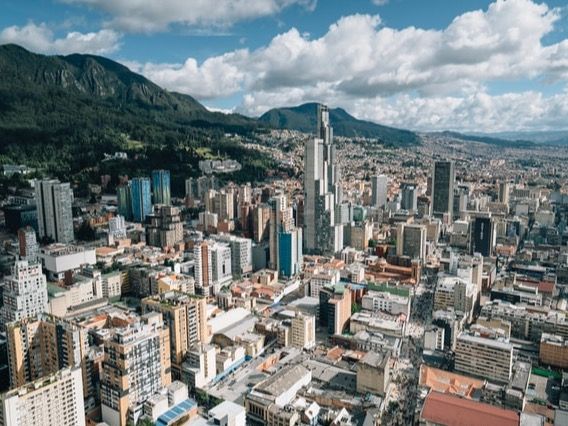
In a packed city of 8 million residents, the municipality of Bogotá noticed how drastically reduced their transportation pollution levels were during early COVID-19 regulations. Instead of allowing a return back to high levels like were seen pre-pandemic, Bogotá strove to keep their air pollution low while still recouping their economic and transport systems with a series of development and transport system interventions.
Problem
Bogotá has 8 million residents plus an additional 2 million daily commuters, and transportation contributes to over 70 percent of the city's air pollution. Bogotá, like many cities around the world, saw a reduction in air pollution due to COVID-19 shutdowns. But the city was faced with a quandary: how to return the city to a post-pandemic level of economic and transportation activity, while maintaining the improved air quality?
Solution
In 2020, Bogotá announced a new air quality target—reducing concentrations of fine particulate matter by 10 percent by 2024—as part of the city’s green recovery plan. The plan focuses heavily on sustainable, multimodal mobility and cooperation with nearby municipalities. In March 2020, they added 80 kilometres of temporary bike lanes to the already existing bike lane network of 560 kilometres with plans to add another 60 kilometres in the future, promoted alternative and sustainable methods of transportation and improved pedestrian networks. In April 2022, they added 416 electric buses to their public transport fleet with plans for 600 more in the future to be operated over 35 bus routes through 5 different regions.
Outcome
The added bike lanes allowed an 80% drop in particular pollution in the air. With the addition of the new electric buses in it's fleet, 17,000 tons of CO2 will no longer be emitted per year. Bogotá plans to continue electrifying its fleet, expand it's existing urban green spaces, and to partner with the nearby province of Cundinamarca, and several dozen surrounding municipalities, to form a regional institution in order to align environmental goals for the region.
Location
Industries
Involved organisation(s)
Key elements of the circular economy
Attachments and links
Contributors
Owner
Contributor
Contributor
Date added: Mar 12, 2021
Last updated: Dec 28, 2023
More from the contributors







Add your content
Strengthen the circular economy knowledge base by adding a report, case study, publication, or other resource to our platform!