Explore by topic

How KeepCup built a worldwide reuse revolution
Last updated: Mar 1, 2023
Summary
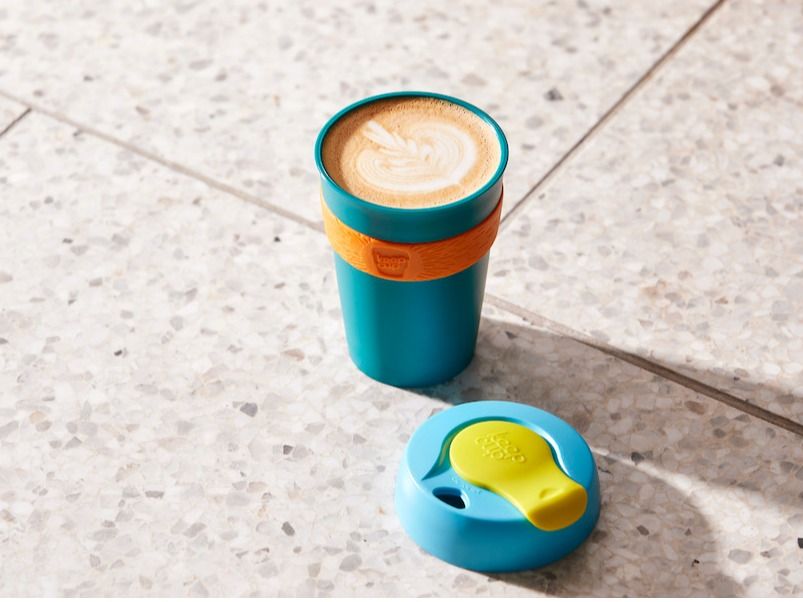
KeepCup has become the category name for reusable cups. For some years now, the brand, an embodiment of reuse culture, has campaigned for industry and government to set a sharp vision that supports a shift in how people live and consume. Its message is based on three principles: remove unnecessary single-use items; design quality products that are fit for purpose, enjoyment and long life; and make sure your organisation and supply chain support those values.
Problem
Australians throw away 2.7 million disposable coffee cups every single day.
Solution
KeepCup was founded in Melbourne in 2007 by Abigail Forsyth and her brother Jamie Forsyth. At the time they were running a café business and were horrified by the amount of single-use coffee cups going to landfill each year. Following the successful trial of a reusable soup mug and the unsuitability of existing thermoses and mugs for refill in a café environment, they decided to design and manufacture their own – a barista-standard reusable cup for people to enjoy coffee on-the-go.
To further reduce the environmental impacts of its products, KeepCup has made its cups easily repairable and replaceable to extend their life and maximise the resources used to create the products. From the plug to the silicone band, all the components of a KeepCup are replaceable, so that if they break or are lost, the whole cup doesn’t have to be thrown away.
Outcome
Over the past decade, KeepCup has made a notable contribution to creating a reuse culture in Australia and many other parts of the world. Reusable coffee cups have been normalised, and in some social circles are the new norm, even to the point where disposable cups are not considered. In a recent survey by KeepCup, 47 per cent of its customers said if cafés don’t accept their cup, they won’t order a coffee.
The environmental impacts of this shift in consumer behaviour are significant – KeepCup estimates its customers prevent eight billion disposable cups from ending up in landfill each year. This not only dramatically reduces unnecessary waste to landfills, but also greenhouse gas emissions. KeepCup commissioned third-party assessments on the impact of three of its products throughout their lifecycle and found they all had a significantly lower carbon footprint than single-use paper and compostable cups.
Location
Industries
Involved organisation(s)
Attachments and links
Contributors
Owner
Contributor
Contributor
Date added: Feb 5, 2021
Last updated: Mar 1, 2023
More from the contributors


Add your content
Strengthen the circular economy knowledge base by adding a report, case study, publication, or other resource to our platform!